 (Image via
Think about the last movie that truly blew you away. Was it the dialogue, the plot twists, or a memorable outfit? Costume design is more than clothing it visually shapes a character and can leave a lasting mark on popular culture.
Cinema and fashion have maintained a symbiotic romance for over a century. From high-fashion runway crossovers to everyday streetwear, cinematic wardrobes continuously shape how you dress, shop, and perceive personal identity.
The Power of the Silhouette and Defining Iconic Styling Details
When you picture classic Hollywood elegance, you almost certainly picture Audrey Hepburn standing outside a jewelry window. In the 1961 film Breakfast at Tiffany's, Hubert de Givenchy designed a black Italian satin sheath dress that changed fashion history. Paired with oversized dark sunglasses and a layered pearl choker, that single look permanently codified the little black dress into a modern wardrobe staple.
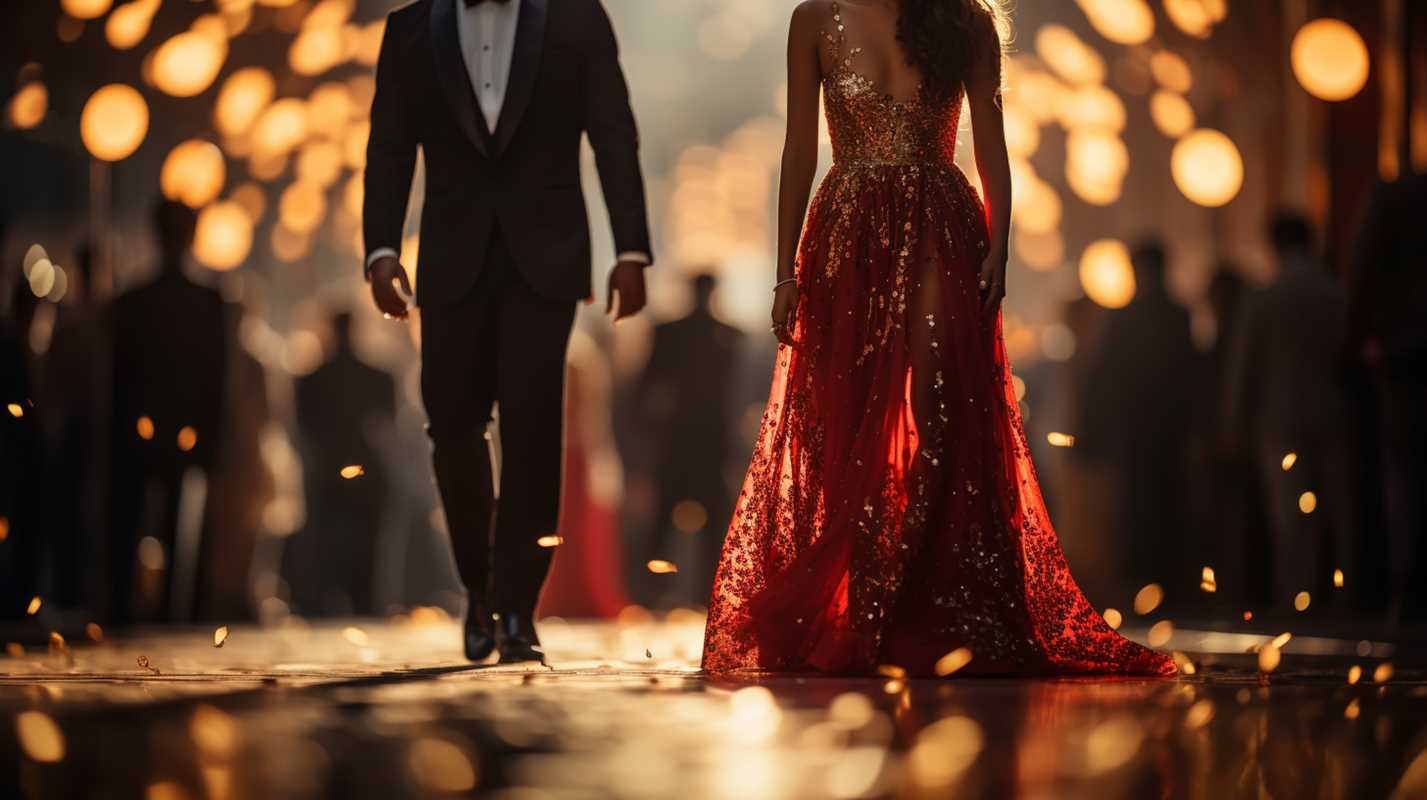
The magic of an iconic movie look lies in its unmistakable silhouette. You could reduce these legendary outfits to simple shadows, and you would still recognize them instantly
• Marilyn Monroe in The Seven Year Itch: William Travilla created the ivory pleated halter dress that blew upward over a subway grate in 1955, defining mid-century glamour and pop iconography forever.
• Uma Thurman in Pulp Fiction: Costume designer Betsy Heimann put Mia Wallace in cropped black trousers, a crisp white men's poplin shirt, and a sharp black bob, giving birth to a 1990s minimalist indie look that also drove a global run on Chanel's dark Vamp nail polish.
• Keira Knightley in Atonement: Jacqueline Durran created an emerald green silk-satin backless gown that captured the suffocating heat of the English countryside and inspired endless replicas for eveningwear collections.
Why do these garments stay timeless while other trends fade into obscurity? Because they are tailor-made to reflect a character's psychology at an exact turning point in their life. When clothes carry emotional weight, they never go out of style.
Threads of Change and the Cultural Influence of Cinematic Style
Cinema does not just reflect existing culture; it actively disrupts it. When a film strikes a nerve, retail markets shift overnight.
Take the 1967 film Bonnie and Clyde, where designer Theodora Van Runkle styled Faye Dunaway in French wool berets, midi skirts, and slinky knit sweaters. Almost immediately, beret sales in France surged by an astonishing 2,000 percent. The movie pulled late-1960s fashion away from futuristic mod mini-skirts and pushed it straight into 1930s vintage nostalgia.
A decade later, Ruth Morley and Ralph Lauren teamed up for the 1977 classic Annie Hall. By putting Diane Keaton in wide-leg trousers, men's waistcoats, and loose ties, the film normalized androgynous tailoring for women and broke rigid gender norms across modern fashion.
Costume designers act as architects of pop culture
• High-Low Teen Styling: In 1995, Mona May mixed runway couture with thrift-store finds in Clueless, pairing a yellow plaid Dolce and Gabbana pleated skirt suit with knee-high socks to completely reshape youth fashion.
• Jazz Age Resurgence: Decades later, films like The Great Gatsby triggered massive revivals in drop-waist silhouettes, fringe details, and art deco accessories across high-street retailers.
• Power Wardrobes: From the sharp corporate coats in The Devil Wears Prada to tailored vintage suits in period dramas, movies often dictate the seasonal trends you see hanging on retail racks months later.
Modern Icons and How Contemporary Cinema Shapes Today’s Aesthetic
Cinematic fashion looks very different in the digital age. Today, costume design extends far beyond the movie frame into aggressive, multi-platform promotional campaigns.
Stylists and stars now embrace method dressing, wearing custom looks on the red carpet that directly mirror their on-screen roles. When Zendaya promoted the tennis drama Challengers, costume designer Jonathan Anderson brought courtside athletics straight into high fashion.² The promotional tour featured custom stiletto heels pierced with real tennis balls and sparked the viral "Tenniscore" trend. Resale platforms reported searches for pleated tennis skirts and polo shirts jumping by more than 50 percent practically overnight.²
Social media turns these cinematic moments into instant micro-trends
• Color Saturation: Jacqueline Durran's vivid aesthetic in Barbie triggered a global surge in active pink fashion, with dozens of major apparel brands launching coordinated collections.
• Subverting Tropes: In body-horror hit The Substance, costume designer Emmanuelle Youchnovski swapped out drab, muted palettes for electric blue leotards and bright yolk-yellow coats to challenge how older women are traditionally styled on screen.
• Fantasy Grounded in Realism: Modern blockbusters use tangible, tactile garments to make fantastical worlds feel grounded, giving digital effects an authentic human anchor.
Social media allows you to break down every frame, find the exact designer, and buy an inspired piece within minutes. The gap between watching a movie and adopting its wardrobe has never been shorter.
The Lasting Legacy of the Silver Screen
Screen-worn fashion has become so culturally prized that original garments now command fortunes on the auction block.³ The surviving ruby slippers worn by Judy Garland in The Wizard of Oz sold for an astounding $28 million at auction, making them the most valuable movie memorabilia ever sold. Marilyn Monroe's subway dress from The Seven Year Itch previously fetched over $4.6 million.³
These prices reflect more than simple celebrity worship. They show how deeply we value the physical artifacts of stories that moved us. A great costume captures a piece of history, preserving the spirit of an era within its seams.
As filmmaking moves into virtual production and digital effects, the human artistry of costume design remains irreplaceable. The next time you sit down to watch a movie, take a closer look at what the characters are wearing. Notice the cut of a collar, the texture of a coat, or the deliberate choice of a color. Every single stitch is telling you a story.
Sources:
1. The Art of Costume Design in Cinema
https://filmustage.com/blog/the-art-of-costume-design-in-cinema/
2. How Zendaya’s Challengers Press Tour Fashion Cashed in on Tenniscore
https://www.forbes.com/sites/sarahelson/2024/05/23/how-zendayas-challengers-press-tour-fashion-cashed-in-on-tenniscore/
3. The World's Most Expensive Film Props and Costumes in Pictures
https://www.theguardian.com/film/gallery/2017/nov/27/the-worlds-most-expensive-film-props-and-costumes-in-pictures