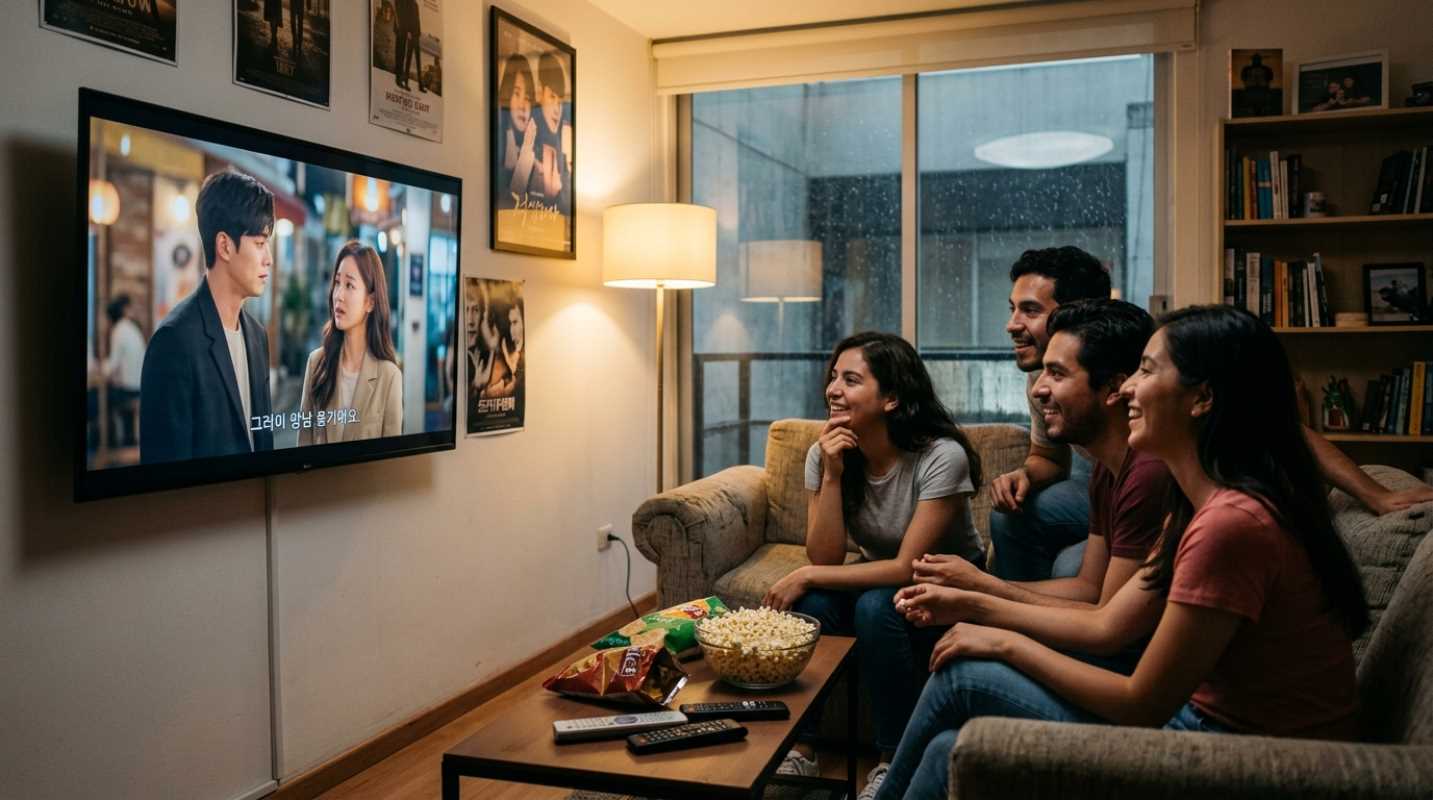
Have you looked at your screen time report lately? If you feel a mild sense of guilt every time your phone alerts you to another six-hour daily average, you are far from alone. We spend our workdays staring at laptops, our evenings scrolling on phones, and our downtime streaming movies. It is exhausting. That exact digital fatigue is driving millions of people straight back to the living room table for good old-fashioned tabletop gaming.¹
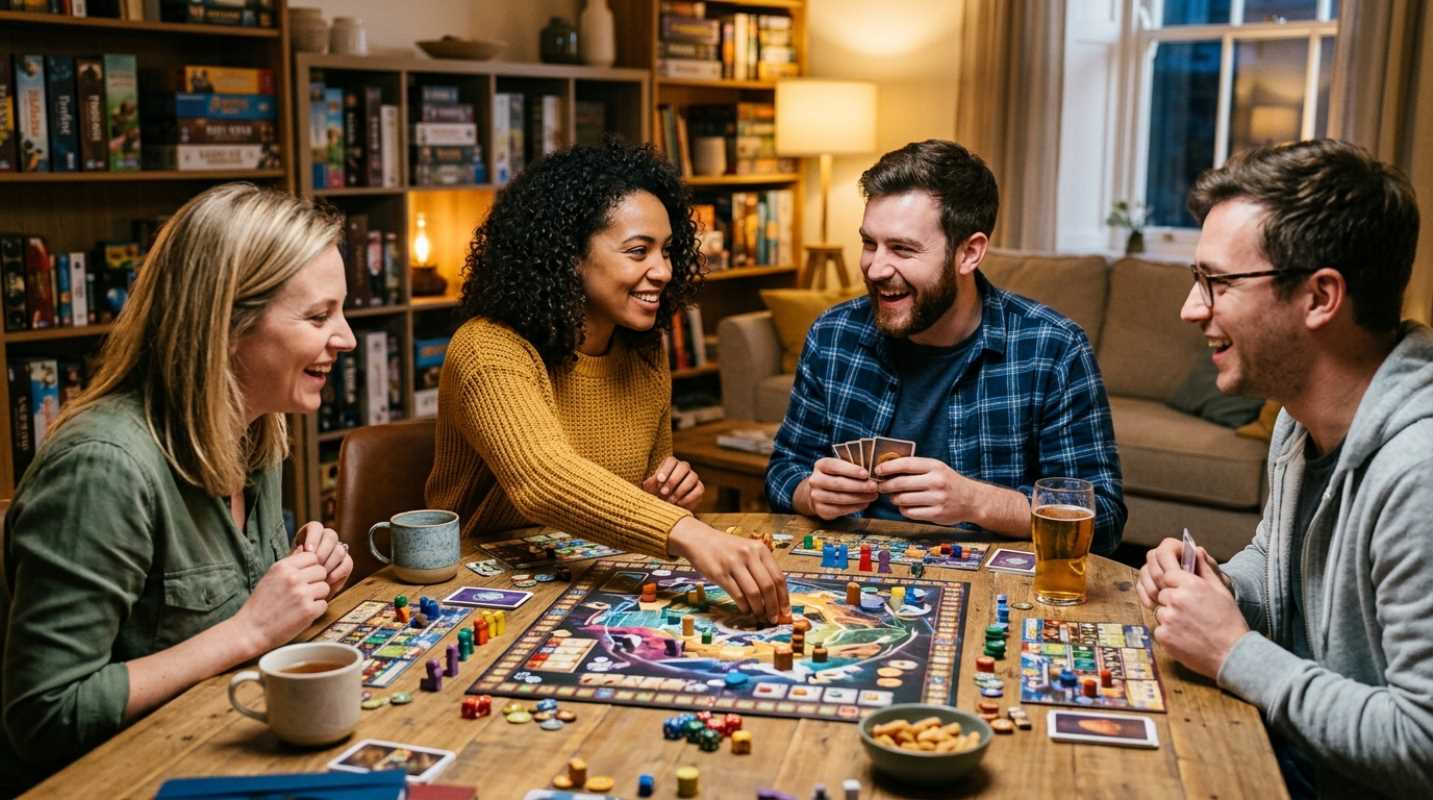
Something special happens when you gather a group of friends around a table. You get real eye contact, actual laughter, physical components, and high stakes over a cardboard map. Research shows that nearly two-thirds of adults play board games specifically to strengthen ties with family and friends.² The industry has ballooned into a multi-billion dollar market, filled with growing board game cafes, crowded local tournaments, and massive online communities.³
Tabletop gaming is no longer just a nostalgic memory from childhood rainy days. It is a growing social ritual that brings people together in a way video games and social media simply cannot match.
The Modern Renaissance - What Is Changing in Game Design
If your memory of board games stops at Monopoly, Scrabble, or Risk, prepare for a pleasant shock. Modern game design has come a long way from the painful mechanics of rolling a die, moving your piece, and waiting twenty minutes for your turn.
Today's games focus heavily on keeping every player involved at all times. Downtime is down, player agency is up, and smart design choices mean you rarely get knocked out of a game in the first ten minutes.
Here is what makes this current era of gaming so different
• Tactile components: High-quality wooden tokens, custom dice, textured cards, and beautiful 3D spaces make setting up the board feel like creating a miniature work of art.
• Immersive themes: Instead of generic real estate battles, modern titles let you manage ocean research projects, run dragon sanctuaries, or coordinate high-stakes bomb defusal teams.
• Cooperative mechanics: Rather than trying to bankrupt your best friends, many modern hits put everyone on the same team against the game itself.
• Lower barriers to entry: Concise rulebooks, clear visual iconography, and quick setup times mean you spend less time reading manuals and more time actually playing.
Indie designers and crowdfunding platforms have completely opened up the hobby. Creators can bring wild, imaginative ideas straight to players, resulting in thousands of fresh titles arriving in stores each year.
Choosing Games for Different Group Sizes
Nothing kills the energy of a game night faster than picking a four-player game when six people show up. Matching the game mechanics to your specific headcount is the secret to keeping everyone engaged.
For intimate duos or small three-person groups, look for games with rich approach and tight tactical choices. Engine-building games and tile-placement mechanics shine in smaller settings because turns move quickly and players can plan their moves without long delays.
When you are managing a larger group of five to eight people, your main goal is eliminating long pauses between turns. Look for simultaneous play, where everyone takes their actions at the exact same time, or party games that feature active audience participation.
Here are a few quick tips for keeping different group sizes happy
• For 2 to 3 players: Pick medium approach titles where you can build personal boards or execute long-term approaches without waiting on a long turn order.
• For 4 to 5 players: Select games with direct player interaction, hidden information, or fast cooperative mechanics to keep conversation flowing around the table.
• For 6 or more players: Stick to fast-paced card games, press-your-luck mechanics, or team deduction games where large crowds add to the excitement rather than slowing it down.
Top Picks - The Best New Releases
Selecting the right game can transform an ordinary evening into an unforgettable event. Here are some standout titles that deserve a spot on your table right now
• Bomb Busters: This cooperative deduction title puts you and your teammates in the boots of a bomb squad. You must work together to cut hidden wires in a specific order without blowing up the room. It offers dozens of unique replayable scenarios and delivers instant suspense every time a player reaches for a card.
• Flip 7: A fast-moving, press-your-luck card game that takes less than two minutes to teach. Players flip cards one by one to score points without drawing duplicate numbers. It scales effortlessly up to massive groups and creates loud cheering, dramatic losses, and instant rematches.
• Harmonies: A visually stunning puzzle game where players draft colorful tokens to build 3D terrain features like mountains, rivers, and forests. As you shape your natural space, you invite wild animals to inhabit your board. It offers a relaxing yet deeply satisfying strategic puzzle that looks amazing on the table.
• Wyrmspan: Fans of engine building will love this fantasy spin on resource management. Players act as dragon researchers, excavating underground caverns to lure majestic dragons into their sanctuaries. The game offers incredible art, deep approach, and satisfying combos as your dragon sanctuary grows.
• Endeavor Deep Sea: A brilliant approach game where players lead oceanographic research teams. You recruit specialists, explore unknown ocean tiles, and publish environmental conservation findings. Its smart scoring systems and flexible setups make it ideal for groups looking for a deeper tactical challenge.
How to Host the Perfect Game Night
Having great games on the shelf is only half the battle. Creating a fun, welcoming atmosphere is what turns a casual meetup into a recurring tradition.
Start with the food and drinks. Skip greasy potato chips or messy finger foods that leave oily prints on clean game components. Stick to bite-sized snacks, dry pretzels, grapes, or skewered appetizers. Keep drinks on a separate side table or use sealed containers to prevent catastrophic spills across the board.
For teaching the game, keep it simple
1. Explain the ultimate goal of the game first so players understand what they are trying to achieve.
2. Cover the basic actions players can take on a single turn.
3. Walk through one full sample turn out loud with open hands.
4. Start playing right away and teach minor edge-case rules as they naturally pop up during play.
Focus on having fun rather than winning at all costs. Encourage banter, celebrate clever plays, and don't worry if someone makes a tactical mistake on their first playthrough.
The Future of Your Living Room Table
There is a simple reason analog gaming continues to grow year after year. We need spaces where we can unplug, sit across from people we care about, and share a genuine experience without looking at a glowing glass rectangle.
Whether you are pushing your luck with a fast-paced card game or spending two hours building a complex dragon sanctuary, tabletop gaming offers something digital entertainment cannot replace. You do not need to be a seasoned strategist or a hardcore hobbyist to enjoy game night. All you need is a flat table, a few good snacks, and a group of friends ready for some fun.
What games have been hitting your living room table recently? Have you discovered a new favorite that keeps your friends asking for one more round?
Sources:
1. enchantoys.in
https://enchantoys.in/blogs/news/why-board-games-are-making-a-massive-comeback-in-the-digital-age
2. asmodee.com
https://corporate.asmodee.com/news/nearly-two-thirds-of-people-strengthen-family-ties-through-tabletop-games
3. prnewswire.com
https://www.prnewswire.com/news-releases/global-board-games-market-to-reach-usd-39-billion-by-2031-as-adult-gamers-fuel-demand-for-premium-tabletop-games--arizton-302843598.html