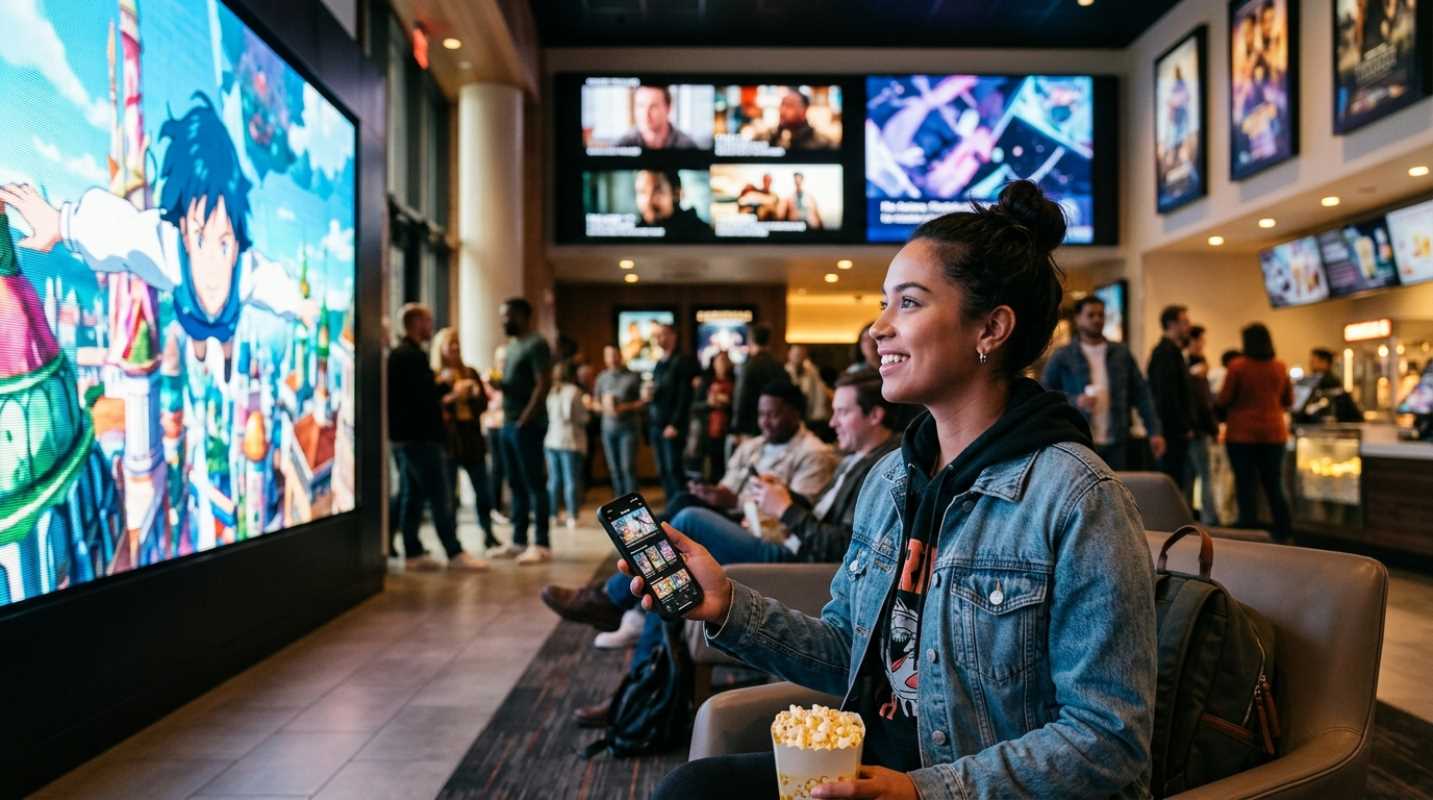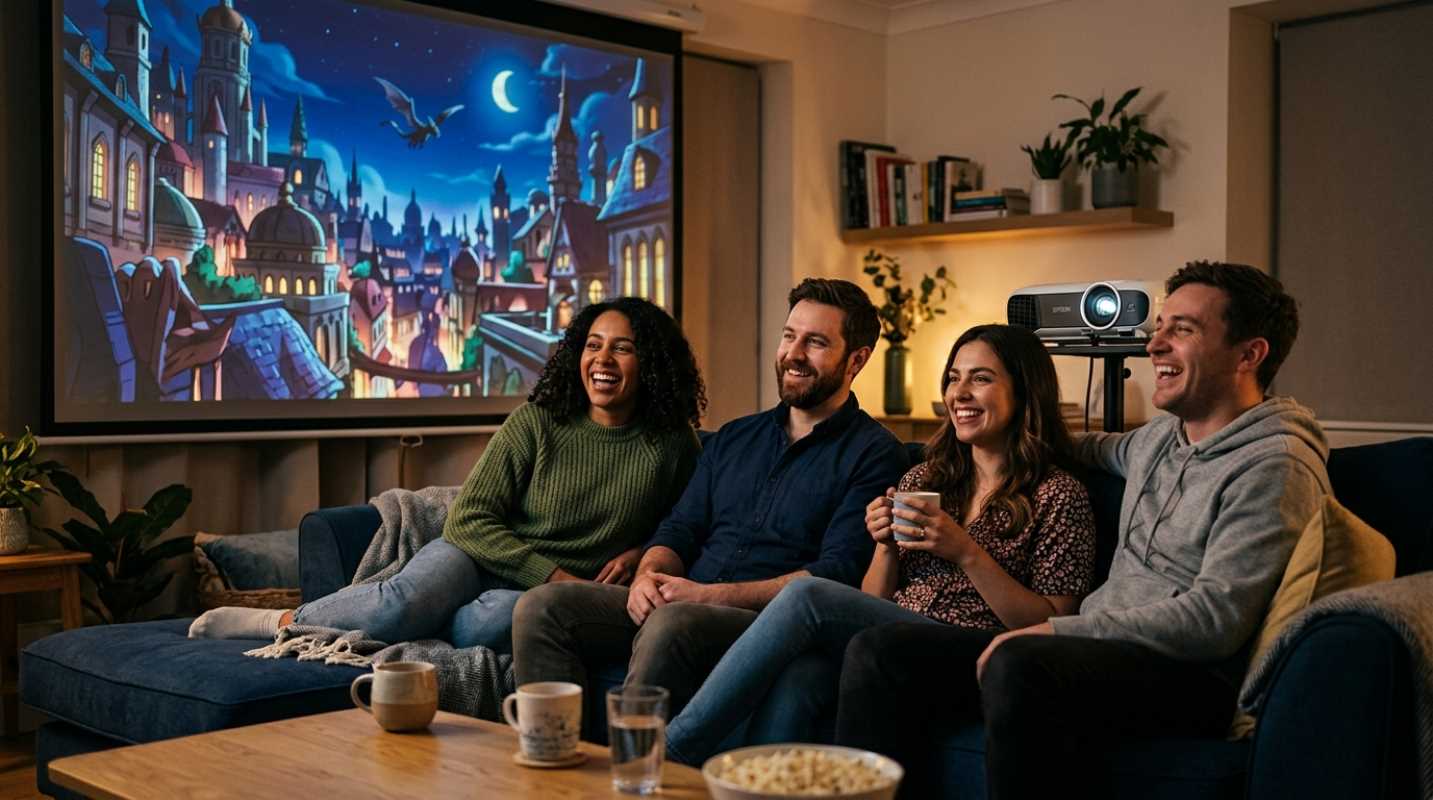
Have you ever recommended a movie to a friend, only to watch them wrinkle their nose the second you mention it is animated? For decades, Western audiences fell into a comfortable trap, assuming drawn or computer-generated films were strictly meant for babysitting young children. But that old mindset is fading fast.
Director Guillermo del Toro put it best when he insisted that animation is cinema, not a single genre. Adults are turning to animated films in record numbers because they want stories with real emotional weight. The global adult animation market was valued at $13.8 billion in 2024 and is projected to hit $35.4 billion by 2033.¹
So what is driving this massive shift? Viewers are discovering that stylized visual art can explore grief, mental health, and identity in ways live-action cameras simply cannot replicate.
The Evolution of Animation Storytelling
Think back to the standard studio animated movies of the 1990s. Most followed a very predictable blueprint: a clear hero, a cackling villain, a few funny sidekicks, and a neat moral wrapped up in ninety minutes. Although those classics still hold a special place in our hearts, storytelling in the medium has grown up significantly.
Directors are now using the medium to tackle complex philosophical and existential questions. They are moving away from clean, hyper-polished CGI that feels cold or corporate. Instead, artists are returning to hand-created, tactile aesthetics like watercolor textures, stop-motion clay, and raw hand-drawn line art. These styles bring warmth and vulnerability to heavy subjects.
At the same time, the line between family entertainment and adult cinema has become wonderfully porous. Blockbusters like Inside Out 2 grossed over $1.699 billion worldwide by offering something far deeper than colorful gags. Beneath the surface, it serves up a psychological blueprint of adult panic, self-doubt, and the messy reality of growing up. Adults buy tickets because these stories mirror their own internal struggles.
Needed Animated Films with Adult Themes
When directors drop the pressure to cater to toddlers, animation becomes a fierce medium for exploring hard truths. Classic mature titles like Anomalisa and The Red Turtle set high benchmarks years ago by examining human isolation and existential purpose. Today, indie and international studios are taking those foundations even further.
Visual metaphors allow these films to convey deep emotional resonance without needing long, explanatory dialogue. Internal states turn into tangible worlds right before your eyes.
• Flow: This Oscar-winning feature is completely dialogue-free. Following a solitary cat navigating a flooded world with a ragtag group of animals, it acts as a haunting visual allegory for climate crisis, grief, and forced community. Created on an open-source platform with a modest budget, it proves that striking visual art speaks louder than words.²
• Memoir of a Snail: Directed by Adam Elliot, this stop-motion clay project dives straight into melancholia, chronic loneliness, and severe hoarding. It balances tragicomedy with intense human resilience, following a woman picking up the pieces of her life after catastrophic loss.
• The Wild Robot: DreamWorks pushed artistic boundaries by blending painterly spaces with a story about non-biological motherhood, mortality, and the pain of letting go.
Discovering Underrated Animated Movies for Grown-ups
If you only pay attention to big theatrical releases, you are missing out on some of the most daring work in cinema today. Overseas markets and independent studios have long embraced animation as a mature storytelling tool, creating hidden gems that deserve a second life on streaming platforms.
• Look Back: Directed by Kiyotaka Oshiyama and adapted from Tatsuki Fujimoto's manga, this short feature achieved a rare 100% rating on Rotten Tomatoes.³ It offers an uncompromising look at artistic obsession, creator burnout, and survivor's guilt following a sudden tragedy.
• Mars Express: A sharp French cyberpunk noir that bypasses easy explanations. Set in a dystopian future on Mars, it tackles corporate greed, transhumanism, and artificial intelligence ethics through a gritty detective narrative.
• The Colors Within: Directed by Naoko Yamada, this film uses active visual cues to explore synesthesia, creative isolation, and youth identity, translating invisible emotions into light and sound.
Non-Western animation styles continually push boundaries because they do not feel obligated to deliver happy Hollywood endings. They trust you, the viewer, to sit with uncomfortable emotions and work through complex plots on your own terms.
The Future of Mature Animation
Independent studios are fundamentally changing how movies get made and funded. By using open-source software and hybrid production techniques, small creative teams can bring ambitious visions to life without needing hundreds of millions of dollars from legacy studios. That freedom allows them to take creative risks, choosing tragic themes, non-linear timelines, and realistic character flaws over safe consumer products.
Looking ahead, the demand for mature animated content will only grow stronger. Audiences are increasingly fatigued by repetitive live-action reboots and green-screen blockbusters that look identical. Animation offers an unlimited canvas where directors can bend physics, alter reality, and paint the human condition in its purest form.
If you have been holding back because you thought cartoons were something you outgrew, it is time to drop the bias. Pick up one of these films, turn off your phone, and let yourself be moved by art that is undeniably built for grown-ups.
Sources:
1. Data Horizon Research
https://datahorizzonresearch.com/adult-animation-market-39416
2. Cartoon Brew
https://www.cartoonbrew.com/feature-film/memoir-of-a-snail-percebes-flow-lead-list-of-winners-at-2024-annecy-festival-241572.html
3. Screen Rant
https://screenrant.com/best-adult-animated-movies/