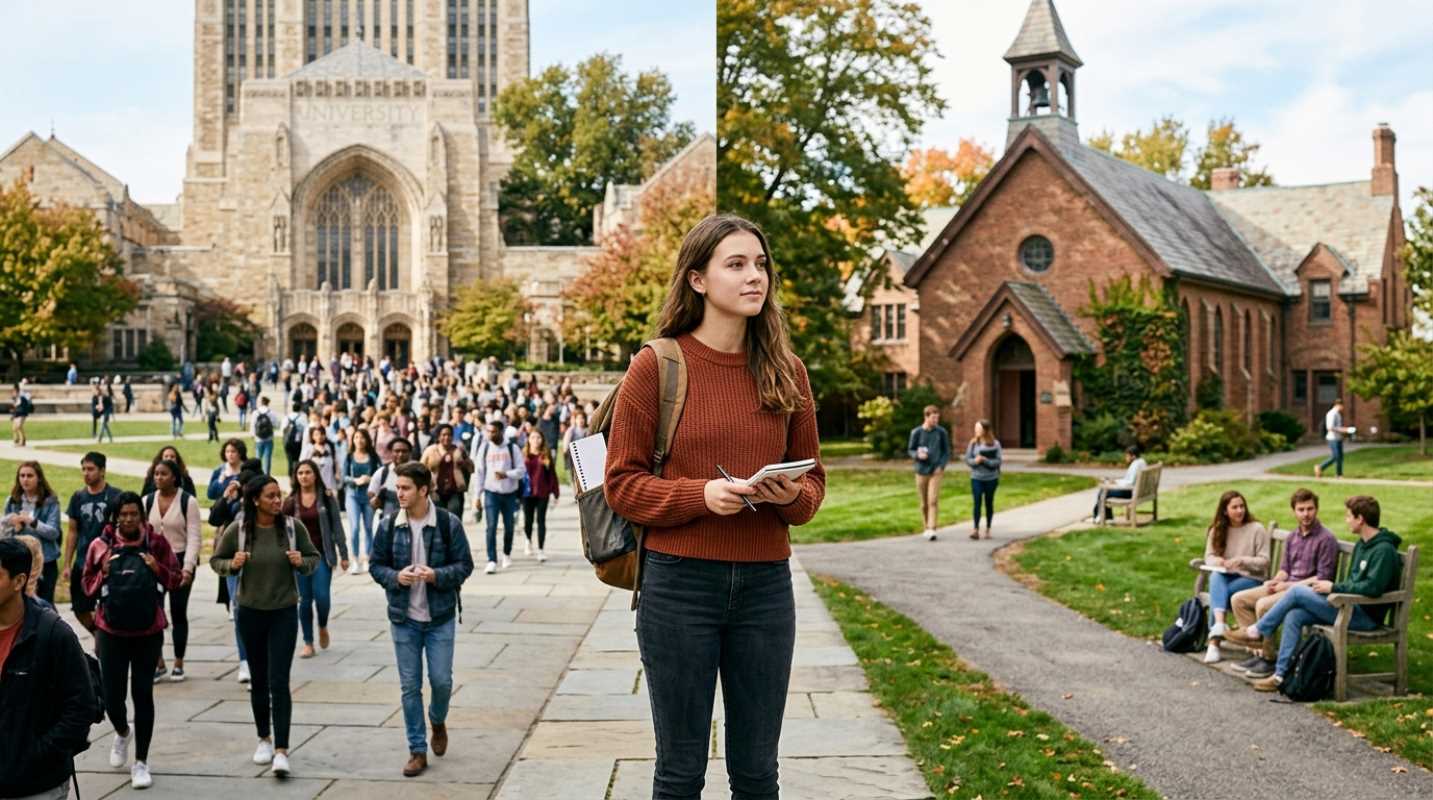
Walking onto a college campus for the first time as a first-generation student carries a unique weight. You are carrying the hopes of your family, the pride of breaking new ground, and maybe a quiet voice in the back of your mind asking if you truly belong.
Let's clear that up right now. You belong here.
You are far from alone in this journey. Around 8.2 million undergraduate students across the United States identify as first-generation, making up roughly 54 percent of all enrolled undergraduates. That is more than half of the college population. Yet, stepping into higher education without a family roadmap can feel like playing a game where everyone else was handed the rulebook at birth.
Success in college comes down to finding the right tools and building a community that supports you. You do not have to figure everything out on your own.
Understanding the Hidden Rules of College
Why does higher education feel so confusing at first? Colleges run on what educators call the hidden curriculum. These are the unspoken expectations, administrative systems, and academic norms that universities assume everyone already knows.
Have you ever looked at a course syllabus and wondered what office hours actually are? A lot of first-gen students assume office hours are times when professors are busy doing private work and shouldn't be interrupted. In reality, it is dedicated time set aside specifically for you to drop in, ask questions, or discuss your academic goals.
Then there is the administrative jargon. Prerequisite courses, credit hours, drop/add deadlines, and addenda can sound like a completely foreign language. On top of that, navigating financial aid paperwork creates massive headaches. Delays with administrative forms like the FAFSA hit first-gen students hardest because you are often completing them without guidance from someone who has done it before.
The statistics reflect how tough this adjustment can be. Only 24 to 27 percent of first-generation students complete a bachelor's degree within six years, compared to 59 percent of continuing-generation students.¹ On top of that, 65 percent of first-gen graduates carry $25,000 or more in student loan debt.²
Beyond the paperwork, there is the emotional side. You might experience imposter syndrome, feeling like you do not measure up to your peers. Or you might struggle with boundary-crossing, balancing your academic life with family expectations back home. When relatives do not understand why you cannot visit every weekend or why studying takes so many hours, it creates real tension. Feeling out of place is normal, but it is not a sign that you do not belong.
Getting the most from Your Campus Resources
Colleges recognize these obstacles, and most campuses have established structural support systems to help you finish your degree. Knowing where to go on campus makes all the difference.
• TRIO Student Support Services: Funded by the federal government, TRIO programs offer mandatory grant assistance, one-on-one academic advising, peer tutoring, and grad school preparation. If your school has a TRIO office, make it your first stop.
• Writing Centers and Academic Support: Do not wait until you receive a low grade on a paper to visit the writing center. Successful students use academic support centers early and often to review assignments before turning them in.
• Financial Aid Counselors: If your personal financial situation shifts or an unexpected bill comes up, talk to financial aid immediately. Many colleges maintain emergency micro-grants to cover textbook costs or lab fees that might otherwise force you to drop a class.
• Career Services: Connect with your career office during your freshman or sophomore year instead of waiting until senior year. They help secure paid technical internships, polish your resume, and connect you with alumni networks.
Top Recommended Support Programs
Connecting directly with your professors is another major step forward. Visiting office hours during the first few weeks of the semester shows your instructors that you are engaged. You do not need a complex problem to stop by. Simply introducing yourself and asking for advice on how to study for their exams is enough to build a strong professional connection.
Building Your Support Network
Finding your people on campus changes everything. College is not just about attending lectures. It is about surrounding yourself with peers and mentors who understand your experience.
Start by getting involved with student organizations centered around the first-gen identity. Over 470 colleges and universities belong to the FirstGen Forward Network, an organization that helps institutions build dedicated communities for first-gen students.³ Joining these student groups connects you with upperclassmen who have already handled the challenges you are facing right now.
Mentors are equally key to your college career. Look for faculty and staff who display first-gen advocate signs on their office doors. Programs like the University of Pittsburgh's "First at Pitt" visibly identify professors and staff who were first-generation college students themselves. These advocates love working with first-gen students because they remember exactly what it felt like to stand in your shoes.
What about maintaining your connections back home? Open communication with your family is needed. Share your weekly schedule with them, explain what finals week involves, and celebrate your academic wins together. Keeping your family updated helps bridge the gap between your life back home and your life on campus.
Your Resilience Is Your Superpower
Stepping into an unfamiliar system takes real courage. The persistence, adaptability, and problem-solving skills you develop as a first-generation student are not drawbacks. They are powerful professional assets that will serve you throughout your entire life.
Employers value people who know how to handle complex systems independently and push through tough obstacles. That resilience is built into the first-gen identity.
So what is your next step? Take one concrete action today. Send an email to a professor, walk into your campus student support center, or look up the schedule for a first-gen student group on campus. You earned your place in higher education, and with the right resources in your corner, your future is yours to define.
Sources:
1. Trellis Approaches Research Brief
https://www.trellisapproaches.org/wp-content/uploads/2025/10/Research-Brief_TSOCT25_FirstGenStudents.pdf
2. Postsecondary National Policy Institute First-Gen Fact Sheet
https://pnpi.org/wp-content/uploads/2025/05/FirstGenStudents_FactSheet_Apr25.pdf
3. FirstGen Forward Insights
https://www.firstgenforward.org/our-insights