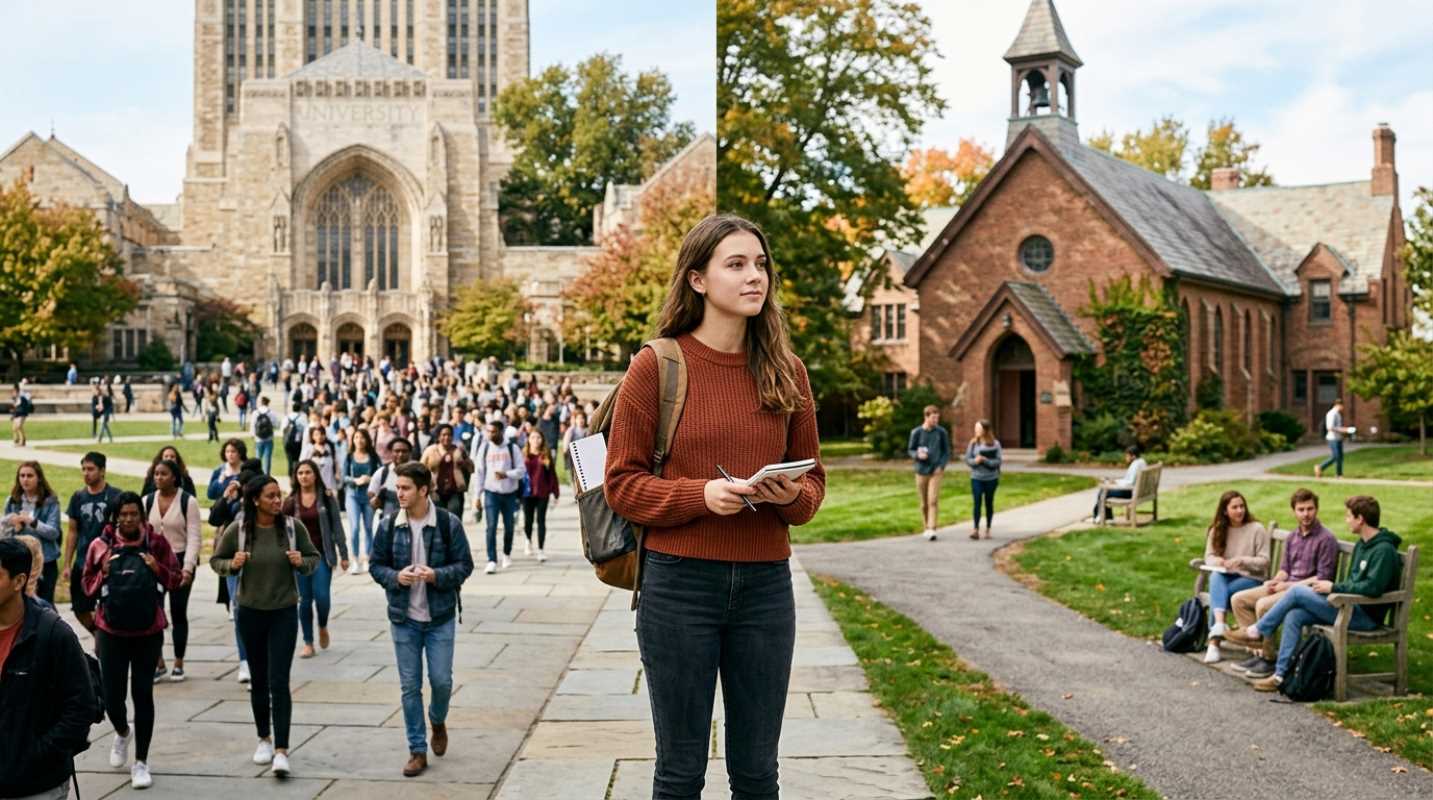
Picture this. It's April of your senior year. Graduation is just a few weeks away, you don't have a job lined up, and panic is starting to set in. You sprint to your campus career center hoping for a quick miracle.
Have you been there? Or maybe you're trying your best to avoid that exact nightmare.
Here is the reality. About 31% of college students never step foot in their campus career center during their entire academic journey.¹ Roughly a third of graduating seniors reach graduation day without a single interaction with career advisors.¹
When students do stop by, most use the office for basic administrative tasks, like fixing resume margins or asking for a map to the spring career fair.¹ Only about 18% sit down for long-term career coaching, networking guidance, or internship matching.¹
That is a huge missed opportunity. You are already paying for these services through your tuition dollars.
Instead of treating the center like an emergency clinic for panicked seniors, think of it as a personal training studio for your career. The sooner you start going, the stronger your job search approach becomes. Visiting early during your freshman or sophomore year gives you a massive advantage over classmates who wait until the last minute.
Using the Full Suite of Services Offered by Campus Career Centers
Your campus career office is far more than a bulletin board with job postings. It is a hub packed with tools, connections, and specialized software that most students never fully explore.
If you aren't sure what you want to do after graduation, career counselors can walk you through personality tests and skills assessments. These tools help you explore real job paths that match your actual strengths and interests.
Many campuses now offer free access to top-tier digital tools that can streamline your search
• Profile Platforms: Sites like Handshake or Symplicity connect you directly with companies actively recruiting from your school. Completing 100% of your profile makes you far more visible to visiting hiring managers.
• AI Resume and Interview Feedback: Platforms like VMock analyze your resume formatting and action verbs in seconds. Tools like Big Interview give you a private space to record yourself answering interview questions, offering instant feedback on your pacing, body language, and filler words.
• Automated Headshot Booths: Many universities now feature automated Iris photo booths. You can walk in and grab a high-quality, professional LinkedIn headshot for free in under five minutes.
• Micro-Internships: Platforms like Parker Dewey let you tackle short-term, paid, project-based assignments. These mini-gigs build real-world skills for your resume without requiring a full semester commitment.
Universities are also finding innovative ways to build career prep into everyday campus life. The University of Connecticut created its Work+ Program, which turns standard on-campus student jobs into skill-building, resume-ready experiences. Kenyon College even added rewards and gamified modules to encourage younger students to practice mock interviews early.
Polishing Your Professional Brand with Resume and Interview Help
An academic resume listing every class you took won't carry much weight in today's job market. Employers have shifted heavily toward skills-based hiring. In fact, roughly 65% to 70% of employers now search for specific skill sets rather than relying on standard application filters, with only 38% using GPA to filter out candidates.²
How do you prove you have those skills? Experiential learning matters. About 84% of graduating seniors participate in internships, co-ops, or campus roles before graduating.² A career coach helps you turn those experiences into punchy, results-oriented bullet points.
Coaches can help you translate your course projects and student group roles into core competencies that companies look for
• Important Thinking: Proving you can analyze complex problems and implement practical solutions.
• Communication: Showing you can write clearly and present ideas confidently in team settings.
• Teamwork and Leadership: Highlighting times you managed conflicts, led group projects, or organized campus events.
• Technology: Demonstrating your comfort with modern software and digital tools.
For interviewing, sitting down for a mock interview with an advisor changes everything. You'll practice structuring your answers using the STAR format (Situation, Task, Action, Result). Getting constructive feedback in a safe setting helps you sound natural and confident when the real interview arrives.
Connecting with Employers Through Campus Resources
Why do corporate recruiters spend time visiting college campuses? They want candidates from your specific university. They are looking for talent, and your career center holds the keys to those employer relationships.
Job search timelines have moved up across almost every industry. Graduating seniors now start searching for jobs an average of 6.4 months before graduation.² Students are applying to more positions and securing offers early, driving offer acceptance rates above 86%.²
If you wait until spring semester of senior year, you'll miss key fall recruiting cycles for major companies.
Here is how you can use campus resources to build direct relationships with recruiters
• Research Before Career Fairs: Look up attending companies on Handshake a week in advance. Pick five to ten target employers and write down thoughtful questions about their entry-level roles.
• Attend Employer Information Sessions: Companies often host small, informal talks on campus before major recruiting events. Showing up in a smaller setting makes it much easier to have a real conversation with a recruiter.
• Target On-Campus Interviews: Many businesses host their first-round interviews right inside the career center building. Landing one of these interview spots bypasses the massive online application stack entirely.
Actionable Steps to Get the most from Your Next Visit
Ready to set up an appointment? Don't just walk in and say, "I need a job." You will get much better advice if you show up prepared.
Follow these simple steps to make every meeting with a career counselor as productive as possible
1. Set a Specific Goal: Decide what you want to accomplish before booking. Are you trying to improve your resume bullet points, practice a two-minute elevator pitch, or learn how to evaluate a job offer?
2. Bring Your Drafts: Bring a printed copy of your resume, a link to a target job description, or a list of specific companies you want to research.
3. Maintain the Relationship: Send a brief thank-you email to your counselor after your session. Keep them updated when you land an interview or accept an offer. Advisors love seeing student progress and will keep you in mind when unique opportunities cross their desks.
4. Take Advantage of the Alumni Grace Period: Your access doesn't vanish on graduation day. Most universities extend free coaching access and job board privileges to alumni for one to two years post-graduation.
5. Update Your Email Address: Before you lose access to your student email account, log into Handshake or Symplicity and add your personal email address. That way, you won't lose your application history or miss messages from recruiters after you graduate.
Sources:
1. NACE Student Survey Executive Summary
https://www.naceweb.org/docs/default-source/default-document-library/2025/publication/executive-summary/2025-nace-students-survey-report-executive-summary.pdf?sfvrsn=310c2b5f_6
2. Class of 2025 College Grads Responded to Challenges of a Tough Job Market
https://www.naceweb.org/about-us/press/class-of-2025-college-grads-responded-to-challenges-of-a-tough-job-market