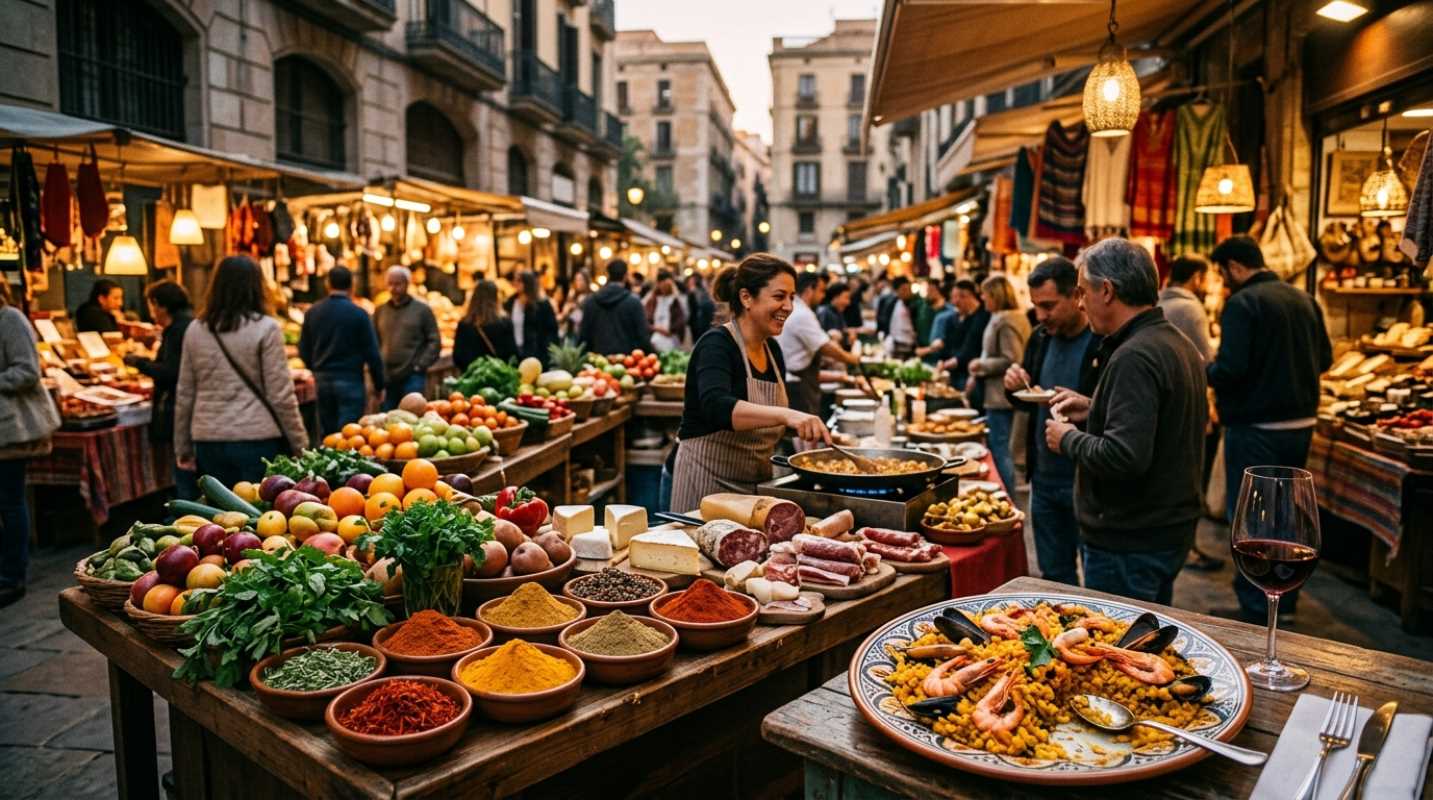
Have you ever planned an entire vacation around a single bowl of noodles? If so, you're definitely not alone. The way we explore the world has fundamentally shifted. Instead of rushing between museum lines and souvenir shops, millions of travelers now map out their trips by breakfast, lunch, and dinner.
So what changed? Food is no longer just a side note on a trip itinerary. It's the main event. Studies show that roughly 77% of travelers actively choose their destinations based on local food options, and the global culinary tourism market has climbed past $1.1 trillion.¹ People want connection, history, and real flavor. Taking a bite of a freshly made tortilla in Oaxaca tells you more about local culture in ten seconds than a standard guidebook ever could.
When you travel with an appetite, you experience a city from the inside out. You pull up a plastic stool at a crowded night market, point to a steaming pot of broth, and share a table with locals who have eaten there for decades. That's where the real magic happens.
Top Destinations for Food Travelers
If you want to build a dream list of food destinations, a few key spots across the globe belong right at the top. Each offers a distinct approach to flavor, from high-end precision to street corner perfection.
Thailand tops many global lists for good reason.² The balance of sweet, sour, salty, and spicy in Thai cooking creates hits of flavor you simply can't find anywhere else. From the endless stall options in Bangkok to the rich curries of the north, it's an absolute dream for food lovers.
Japan presents a totally different kind of food culture. In Tokyo, you'll find the world's highest concentration of Michelin stars, alongside underground ramen counters tucked beneath train tracks. Down in Kyoto, meals turn into artistic expressions centered on pure seasonality and delicate technique.
Over in Mexico, centuries of indigenous traditions blend with Spanish influences. Cities like Oaxaca and Mexico City show off ancestral cooking techniques, complex spice blends, and incredible heirloom corn dishes.
Then there's Europe. The Basque region of Spain and the food havens of Italy, like Bologna and Tuscany, treat cooking as a sacred tradition. Add in Vietnam's herb-heavy street dishes and Charleston's rich Lowcountry seafood scene, and you have a lifetime of world-class eating ahead of you.
Iconic Regional Dishes You Need to Try
Understanding why a dish matters requires looking at where its ingredients come from and who made it first. Every classic plate carries a long history on its back.
Take Oaxacan Mole Negro. This isn't just a chocolate sauce. It's a dark, complex creation built from roasted chiles, nuts, seeds, herbs, and dark chocolate, often simmered for hours or even days. The depth of flavor reflects indigenous cooking traditions passed down through generations of families.
In Japan, Edomae sushi relies on incredible ingredient quality and patient skill. Traditional sushi masters spend years perfecting how they season rice and cure raw fish. Eating a single piece of fresh tuna served at body temperature in Tokyo is a quick lesson in restraint and mastery.
Head over to Bologna, Italy, for a true Tagliatelle al Ragù. Forget what you think you know about spaghetti bolognese. The traditional Italian dish features wide, fresh egg noodles tossed gently with a slow-cooked sauce of pork, beef, and tomatoes. It's simple and deeply comforting.
In Vietnam, Hanoi's Bun Cha captures the country's love for fresh herbs and flame-grilled meats. Smoky pork patties float in a tangy dipping broth alongside rice vermicelli noodles and heaps of fresh cilantro and mint. It hits every sensory mark at once.
And don't overlook Charleston's signature Shrimp and Grits. What began as a humble fisherman's breakfast has grown into a Lowcountry treasure. Wild Atlantic shrimp sit atop stone-ground corn grits enriched with butter, cream, and smoky bacon gravy.
How to Plan a Culinary-Centered Trip
Planning a food-focused itinerary takes a bit of approach. You don't want to spend your whole trip staring at a map with an empty stomach, nor do you want to exhaust your taste buds on day one.
• Use local apps instead of generic reviews: Standard travel sites often steer you directly toward tourist traps. Try regional options like Tabelog in Japan, where any score over 3.5 signals an exceptional meal. Look for Michelin Bib Gourmand picks for wallet-friendly quality.
• Balance high and low dining: Pacing is everything. Don't book heavy multi-course tasting menus every single night. Alternate between high-end reservations and casual street food stalls to keep your energy and your appetite fresh.
• Reserve anchor spots early: Popular kitchens and intimate cooking classes fill up fast. Lock in your main priority meals 30 to 90 days before you fly out, then build your daily sightseeing around those locations.
• Match local dining schedules: Showing up for dinner in Spain at 6:00 PM means facing closed doors and empty dining rooms. Locals sit down to eat around 9:30 PM. Adjusting to local meal times guarantees better energy and fresher food.
• Book a local food tour early: Joining a street food tour on your first day gives you an instant lay of the land.³ You'll learn what to order, how to handle markets, and where locals actually eat for the rest of your stay.
Bringing the World Back Home
When your trip ends and you unpack your bags, something funny happens. You walk into your local grocery store and view the produce aisle through an entirely new lens. That's the real gift of food travel.
You might find yourself hunting down real fish sauce, buying whole spices to toast from scratch, or trying your hand at rolling fresh pasta on a Sunday afternoon. Travel changes your cooking instincts. It teaches you that great food doesn't require complicated shortcuts, just fresh ingredients and a little patience.
Food turns out to be a universal language that breaks down barriers faster than almost anything else. You don't need to speak the same native language to share a smile over an amazing meal at a night market stall. So as you plan your next getaway, keep your appetite front and center. Your taste buds will thank you.
Sources:
1. Custom Market Insights
https://www.custommarketinsights.com/report/culinary-tourism-market/
2. Culinary Travels Magazine
https://culinarytravelsmagazine.com/conde-nast-traveller-has-named-the-best-food-destinations-in-the-world/
3. Secret Food Tours
https://www.secretfoodtours.com/blog/foodie-tours-5-tips/