Have you ever stood on the edge of a massive rock precipice, looked down into thousands of feet of carved stone, and felt your chest tighten just a bit? There is something wild about standing next to a massive canyon. These sheer vertical drops, carved over millions of years by rushing rivers, have a way of putting our daily routines into perspective.
Whether you want to trek across remote riverbeds or simply watch the morning light turn red rock walls into glowing art, canyon trips offer some of the best outdoor experiences on the planet. In this guide, you'll discover iconic chasms, learn updated rules for permits and photo gear, and get real tips on how to plan your next adventure without getting stuck in heavy crowds.
Introduction Why Canyons Command Our Attention
What makes canyons so magnetic? Part of it is sheer scale. Seeing a crack in the Earth that spans hundreds of miles or plunges thousands of feet forces you to stop and take notice. These geological wonders show off billions of years of history in raw, layered colors.
For modern travelers, gorges represent the ultimate bucket-list trip. They push you out of your comfort zone, whether that means hiking along a knife-edge ridge or navigating narrow slot passages. But as these locations grow more popular, exploring them requires better planning. Knowing when to go, how to secure permits, and how to protect fragile environments will make or break your journey.
The Most Stunning Canyons and Gorges to Visit
Some places look great on a screen, but seeing them in person leaves you speechless. Here are the top canyon destinations around the globe that you need to put on your radar.
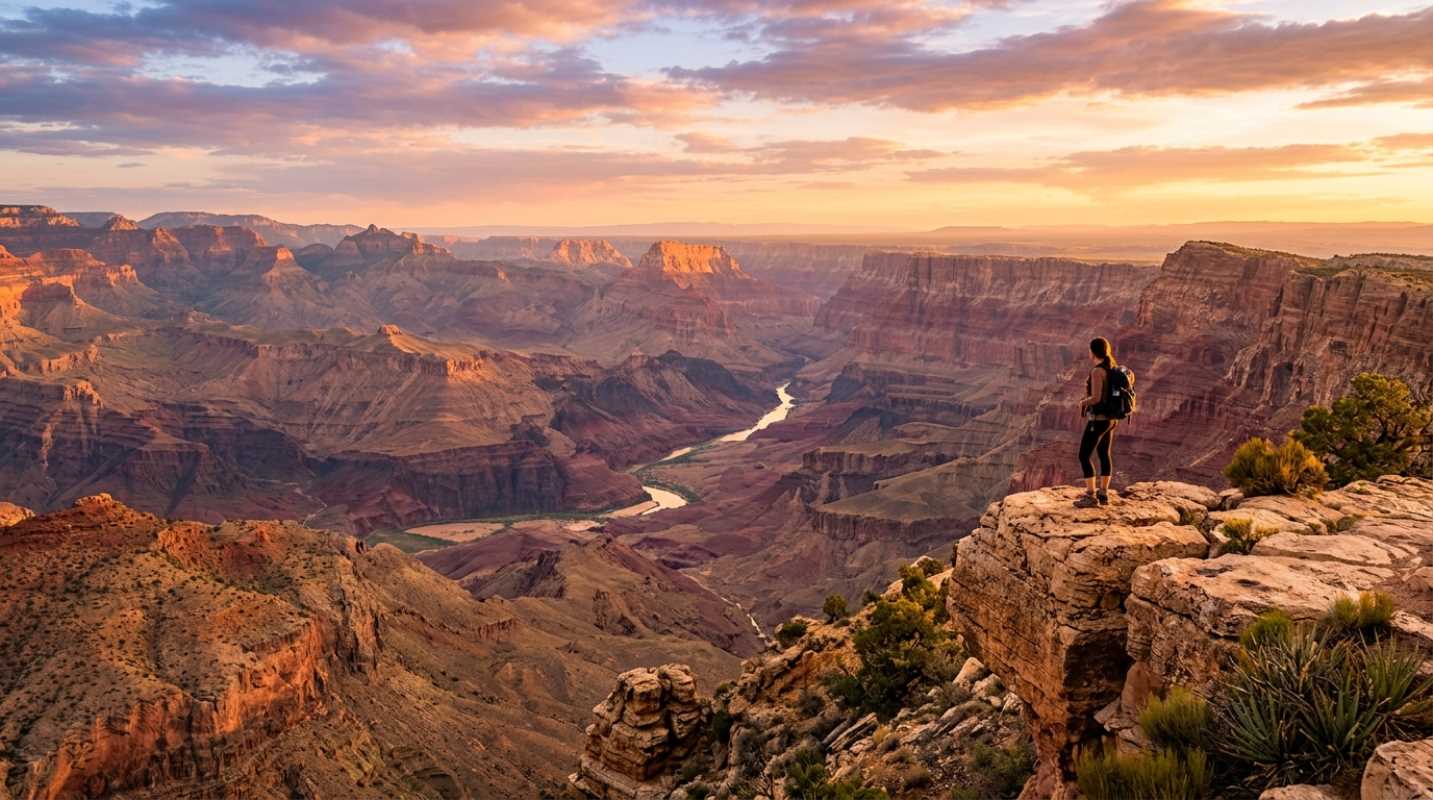
• Grand Canyon National Park (Arizona, USA): It stretches 277 miles long and plunges over a mile deep.¹ Going down to the floor on the Rim-to-Rim trail is a classic endurance challenge, but you can also catch sunset at Lipan Point for incredible panoramic views.
• Zion Canyon (Utah, USA): Towering reddish-orange sandstone walls rise 2,600 feet straight above the Virgin River. The famous Angels Landing hike takes you along a narrow ridge with high exposure and chains to hold onto.
• Antelope Canyon and Canyon X (Arizona, USA): Known for smooth, wave-like walls, this slot canyon complex is famous worldwide. Strict photo rules are enforced inside Upper and Lower Antelope Canyon. Tripods, backpacks, and selfie sticks are totally banned inside.² If you want to use a tripod, book a session at nearby Antelope Canyon X instead.
• Verdon Gorge (Provence, France): Known as Europe's Grand Canyon, this spot features bright turquoise waters winding past 2,300-foot limestone cliffs. The Sentier Blanc-Martel trail leads you through dark rock tunnels and right along the riverbank.
• Colca Canyon (Arequipa, Peru): Reaching depths of over 13,600 feet, this Andean canyon is more than twice as deep as the Grand Canyon. You can trek down to desert oases on the canyon floor and watch giant Andean condors ride morning wind currents.
• Blyde River Canyon (Mpumalanga, South Africa): As the largest vegetated canyon on Earth, this green paradise offers dramatic drop-offs, the famous Three Rondavels rock formations, and sweeping views along the Panorama Route.
• Tiger Leaping Gorge (Yunnan, China): Carved by the Jinsha River, this gorge features a vertical drop of nearly 12,500 feet between massive snow-capped mountains. The two-day High Trail hike gives you cliffside views that few places on Earth can match.
• Waimea Canyon (Kauai, Hawaii, USA): Nicknamed the Grand Canyon of the Pacific, Waimea mixes bright crimson soil with lush green foliage and cascading waterfalls like Waipo'o Falls.
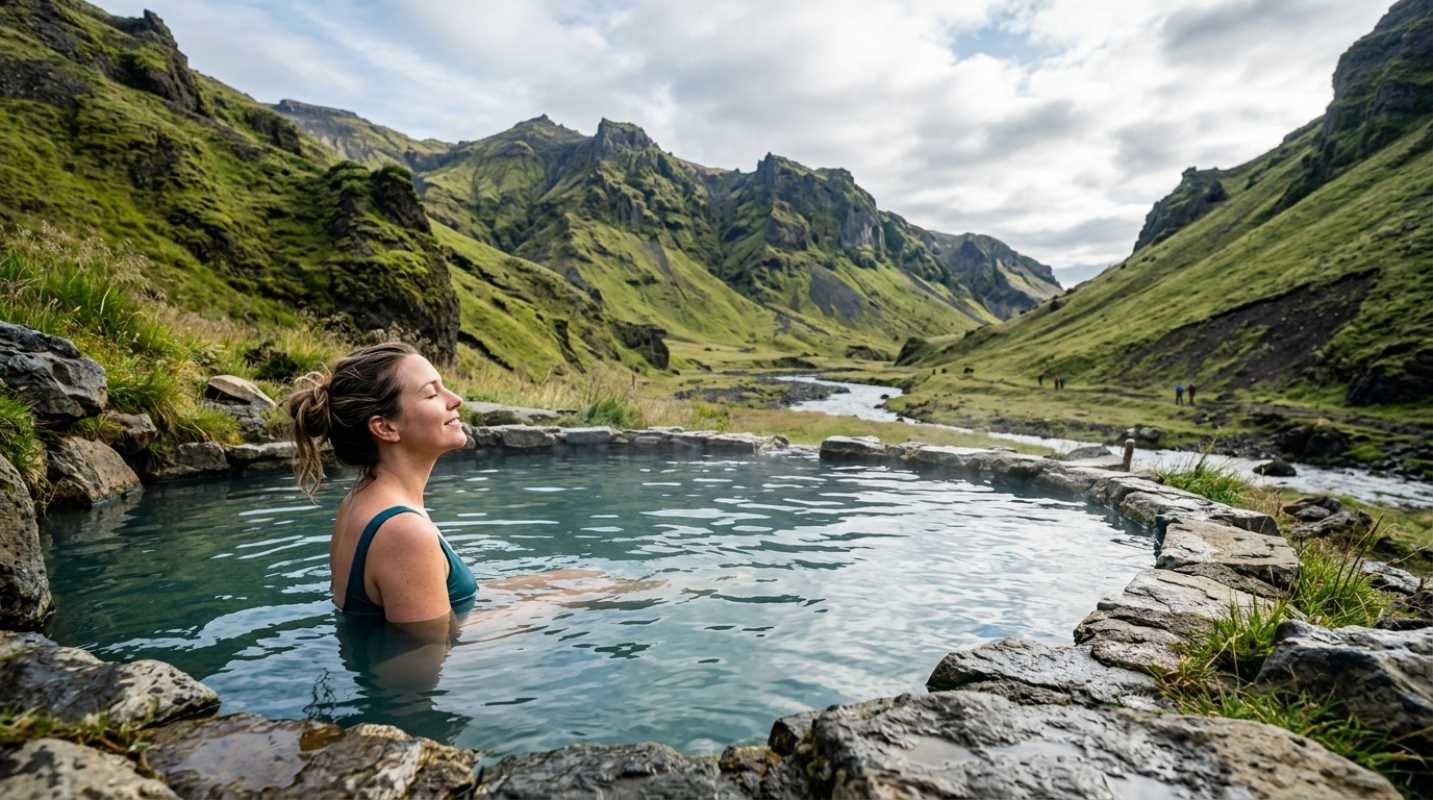
• Fjaðrárgljúfur Gorge (Iceland): A serpentine glacial gorge covered in vivid green moss. Because subarctic moss takes decades to recover from damage, visitors must stay strictly on designated pathways.
Needed Hiking and Viewpoint Tips for Every Explorer
Exploring canyons requires a different mindset than mountain hiking. Instead of pushing hard at the start to reach a summit, canyon hiking flips the script. You descend easily while fresh, but you must climb back up when you are exhausted and hot.
How do you prepare for these environments? Keep these practical tips in mind before hitting the trail
• Calculate hikes in reverse: Remember that the climb out usually takes twice as long as the walk down. If a trail drops several thousand feet into a hot valley floor, save plenty of energy and pack twice as much water as you think you need.
• Time your lighting: Midday sun flattens depth and creates harsh glare on rock surfaces. Aim to reach rim lookouts at sunrise or golden hour. If you are exploring slot canyons like Upper Antelope, mid-morning light produces those famous glowing beams inside the walls.
• Pack smart camera gear: Bring a standard 24-70mm lens to capture both wide views and distant rock textures. A circular polarizer filter cuts reflections on water inside gorges like Verdon or Fjaðrárgljúfur and brings out rich natural colors.
• Watch the weather forecast: Slot canyons present serious flash flood hazards. Rain falling miles away can send a wall of water rushing through narrow slot passages within minutes. Always check ranger alerts before stepping into tight spots like The Narrows.
Planning a Canyon-Focused Trip Like a Pro
A smooth trip comes down to timing and logistics. Popular national parks manage crowd sizes with tight lottery systems, so missing a permit window can completely disrupt your plans.
Like, hikers attempting Angels Landing in Zion National Park need a permit year-round.³ You can enter seasonal lotteries months ahead of time or try the day-before lottery system online, but relying purely on last-minute luck is risky. Overnight backpacking in the Grand Canyon also requires booking through lottery systems months in advance.
Timing your visit by season is just as important. In places like Tiger Leaping Gorge, avoiding the monsoon months from June through August matters to avoid dangerous landslide conditions. For Waimea Canyon in Hawaii, plan your rim visits between 10 AM and noon. Early mornings are often locked in heavy shadow, while late afternoon clouds quickly roll in off the ocean to block the view.
You should also mix famous park stops with lesser-known alternatives. If main park corridors feel packed, search for nearby state parks or regional trails. You often get similar views and geology with far more peace and quiet.
Your Next Great Adventure Awaits
It is easy to get caught up collecting things, but memories of standing above a massive gorge stay with you forever. Looking out across exposed rock layers carved over millions of years gives you a fresh perspective on the world.
As you plan your journey, remember to practice Leave No Trace principles. Stick strictly to established paths, carry out all trash, and respect delicate flora like subarctic moss. These geological wonders took eons to form, and preserving them makes sure future travelers can experience that same sense of awe.
So where will you go first? Pick a destination, double-check the permit rules, and start building your itinerary today.
Sources:
1. Travel Squad Podcast
https://travelsquadpodcast.com/canyons-us/
2. Upper Antelope Tour Tickets
https://upperantelopetourtickets.com/antelope-canyon-photography-rules/
3. National Park Service
https://www.nps.gov/zion/learn/news/2024-angels-landing-permit-dates.htm