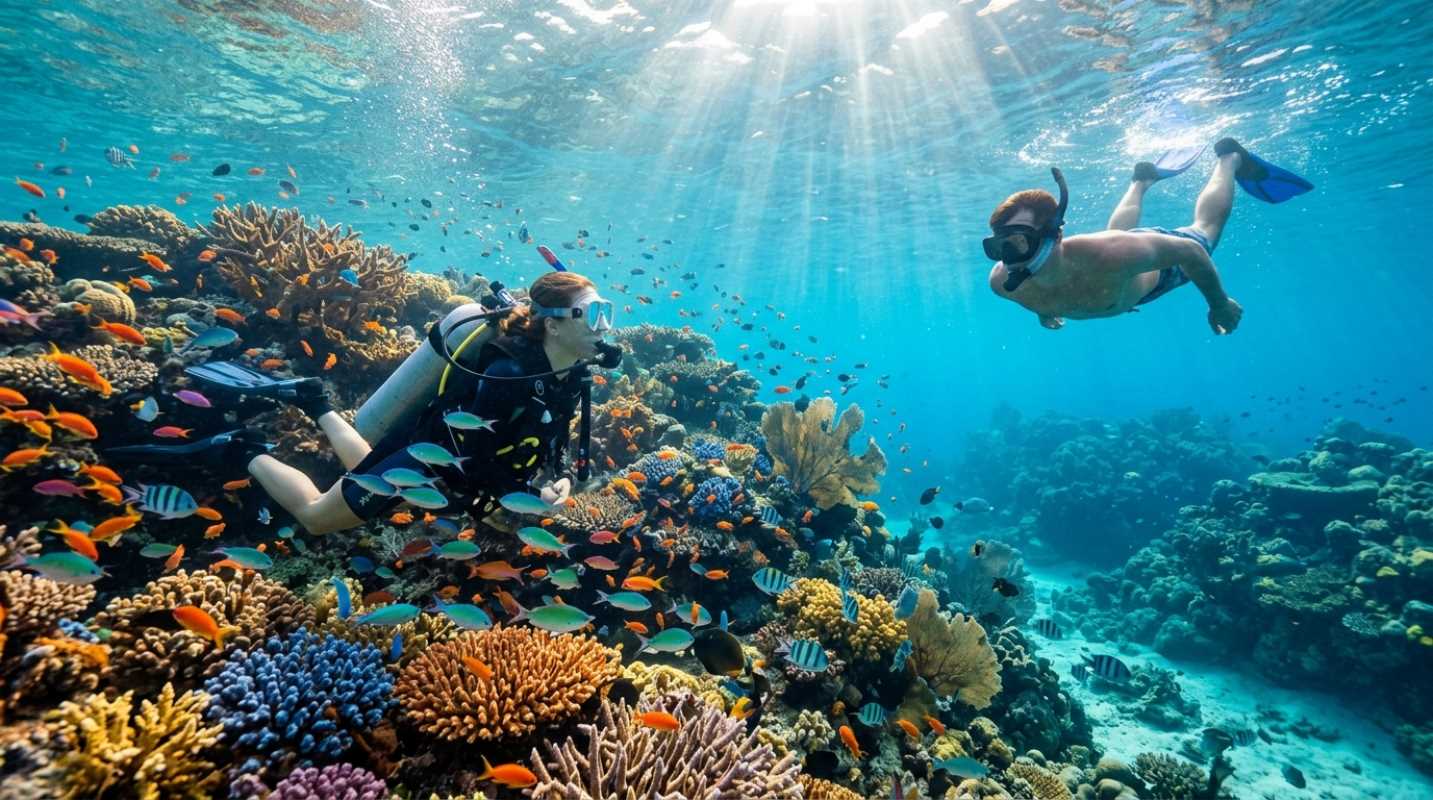
Have you ever strapped on a mask, tipped off the back of a boat, and felt the rest of the world instantly fall silent? There's nothing quite like that first breath underwater. Suddenly you're floating in near-weightlessness, surrounded by bright colors and sea creatures you usually only see on a screen.
It turns out coral reefs cover less than one percent of the ocean floor, yet they harbor a quarter of all marine life.¹ That makes finding the right spot to explore an easy shortcut to seeing some of the wildest nature on Earth.
Whether you're looking to suit up for a deep scuba dive or just want to float along the surface with a snorkel, this guide breaks down the absolute best aquatic hotspots across the globe.
The World's Elite Underwater Sanctuaries
If you're building an ocean bucket list, a few legendary places belong right at the top. Each offers completely different underwater terrain, water conditions, and marine wildlife.
Raja Ampat, Indonesia
Located in the Coral Triangle, Raja Ampat is widely known as the epicenter of global marine biodiversity. This island cluster hosts over 540 hard coral species and roughly 1,400 species of fish. In fact, a single dive at Cape Kri holds the world record for the highest number of fish species identified in one spot, with 374 different species spotted during a single dive.² You can expect crystal-clear warm water, massive oceanic manta rays floating over cleaning stations, epaulette "walking" sharks on the seafloor, and tiny pygmy seahorses hidden in sea fans.
Galápagos Islands, Ecuador
Where three major ocean currents collide, you get a cool, nutrient-rich marine habitat like nowhere else on Earth. Around 20 percent of the sea life in the Galápagos Marine Reserve is endemic, meaning you won't find it anywhere else on the planet. Here, you can watch marine iguanas dive up to 20 meters down to graze on algae, or swim alongside Galápagos sea lions and green sea turtles. Further north near Wolf and Darwin Islands, massive schools of endangered scalloped hammerhead sharks cruise through the deep currents.
Red Sea, Egypt
The Northern Red Sea offers visibility that regularly tops 30 meters, alongside warm, saline waters and historical shipwrecks. Beyond its resident dugongs and spinner dolphins, the area is famous for wreck diving. The SS Thistlegorm, a 125-meter WWII British cargo ship sunk in 1941, lets divers swim past historic motorbikes and armored vehicles resting on the sea floor.
Bonaire, Dutch Caribbean
Known worldwide as a shore diver's dream, Bonaire makes exploring easy. You don't even need a boat charter for most spots. Yellow-painted stones along the coastal roads mark 88 official dive sites, allowing you to park your car, gear up, and walk straight into calm, clear waters right from the beach. Bonaire's fringing reef has been protected under its National Marine Park since 1979.³
Silfra Fissure, Iceland
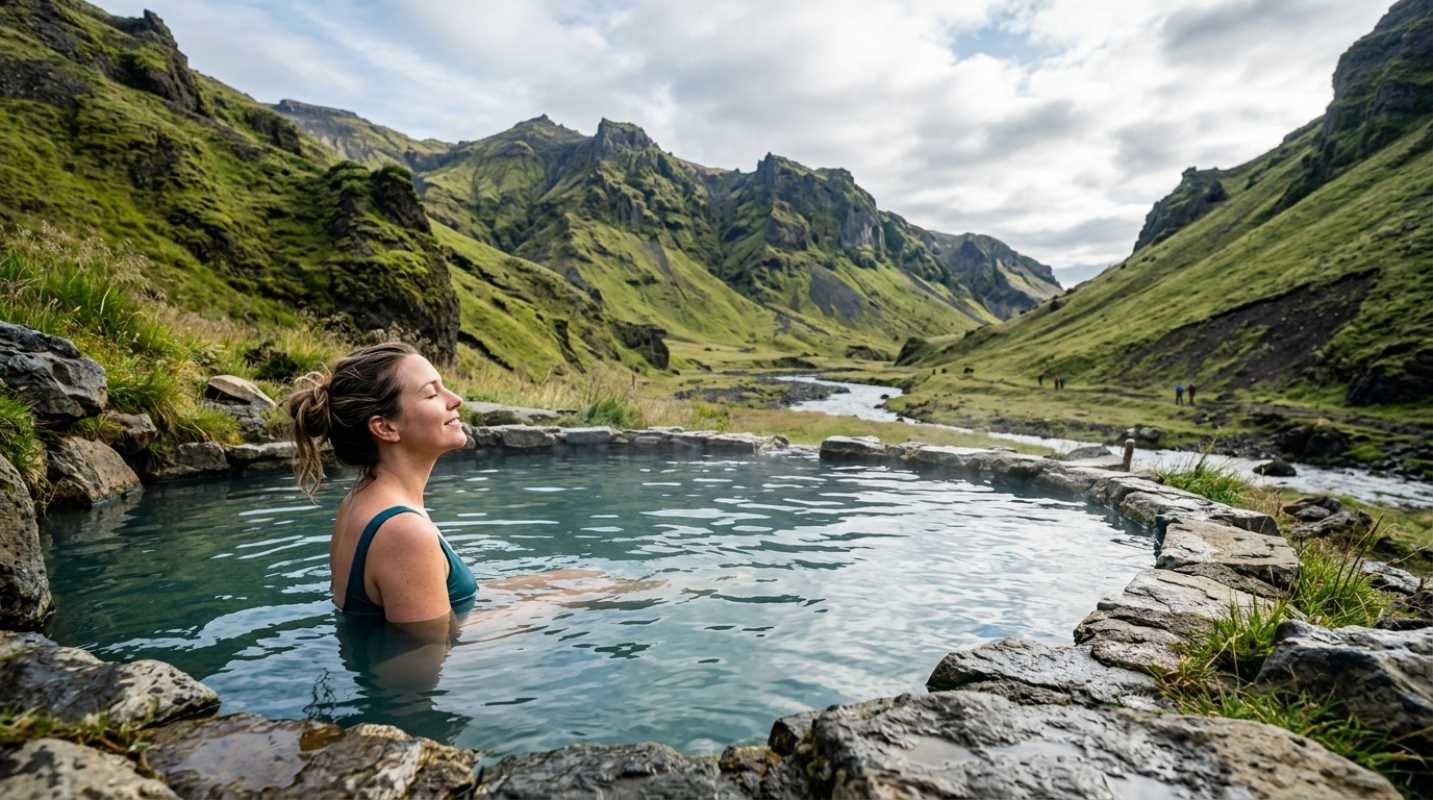
For something totally different, head to Þingvellir National Park in Iceland to swim directly between the North American and Eurasian tectonic plates. The water here is glacial meltwater filtered through volcanic basalt rock for up to a century. It stays a chilly 2°C to 4°C year-round, requiring a drysuit, but you get visibility exceeding 100 meters. Floating through this glowing blue canyon feels less like swimming and more like flying through open space.
Needed Tips for Beginner Divers and Snorkelers
Getting into the water for the first time can feel a lot with all the straps, masks, and breathing regulators. Keeping things comfortable comes down to mastering a few basic techniques before you dive in.
• Get the right mask fit: Test a mask without using the strap first. Place it flat against your face, inhale gently through your nose, and let go. If the rubber seal stays stuck to your face without air leaking in, it fits your head shape.
• Equalize your ears early and often: Don't wait until your ears hurt to clear the pressure. Start equalizing on the surface, then gently pinch your nose and blow lightly through it every meter you descend. If you feel sharp pressure, stop, ascend a foot or two, and try again gently.
• Work on your buoyancy: Good buoyancy control keeps you relaxed and prevents you from accidentally kicking fragile reef structures. Do a weight check at the surface with an empty BCD and a normal breath. You should float at eye level. Adjust air in small, subtle bursts rather than over-inflating.
• Use reef-safe sunscreen: Standard sunscreens contain chemicals like oxybenzone that speed up coral bleaching. Stick to mineral-based sunscreens that use non-nano zinc oxide or titanium dioxide, or wear a lightweight UV rashguard instead.
• Breathe continuously and stay calm: When scuba diving, never hold your breath. Take long, slow diaphragm breaths to keep your heart rate steady and conserve your tank's air supply.
Ethical Exploration - Protecting Our Oceans
It's easy to get excited when a sea turtle glides past or a reef shark swims into view, but keeping your hands to yourself is the golden rule of water sports. Coral heads look like rocks, but they're delicate colonies of living animals. A single brush with a fin or a gloved hand can strip away their protective coatings or break off decades of growth.
Choosing eco-certified tour operators makes a massive difference too. Responsible boat captains use established mooring buoys instead of dropping heavy anchors onto fragile reefs. Many marine parks now charge small user fees, like Bonaire's STINAPA nature fee, which directly fund ranger patrols and conservation research.
You can also turn your trip into an active conservation effort through citizen science. Many modern dive operators let guests help log shark sightings, report coral bleaching, or participate in invasive species removals. It gives your dive a purpose beyond just sightseeing.
Planning Your Next Aquatic Expedition
Timing your trip around regional water conditions is the secret to a great dive vacation. If you want glassy surface conditions and active manta rays in Raja Ampat, schedule your trip between October and April. If you're heading to the Galápagos for massive hammerhead schools and whale sharks, the cooler waters from June to November bring the thickest aggregations of megafauna.
Logistics matter just as much as seasonal timing. Always verify entry rules and required certifications beforehand. Scuba divers should also carry specialized dive insurance through groups like Divers Alert Network. Standard travel policies usually exclude deep-water medical care or hyperbaric chamber treatments.
The ocean covers over 70 percent of our planet, and most travelers only ever catch a glimpse from the shore. Pick a destination that sparks your curiosity, double-check your gear, and step into the water. An extraordinary world is waiting right beneath the surface.
Sources:
1. 4ocean Facebook Post
https://www.facebook.com/4oceanBracelets/videos/did-you-know-coral-reefs-are-home-to-25-of-all-marine-species-protecting-them-is/1435679477952575/
2. Divernet Article on Raja Ampat Biodiversity
https://divernet.com/world-dives/asia/raja-ampat-marine-biodiversity/
3. PADI Bonaire Diving Guide
https://blog.padi.com/your-guide-to-bonaire-diving/