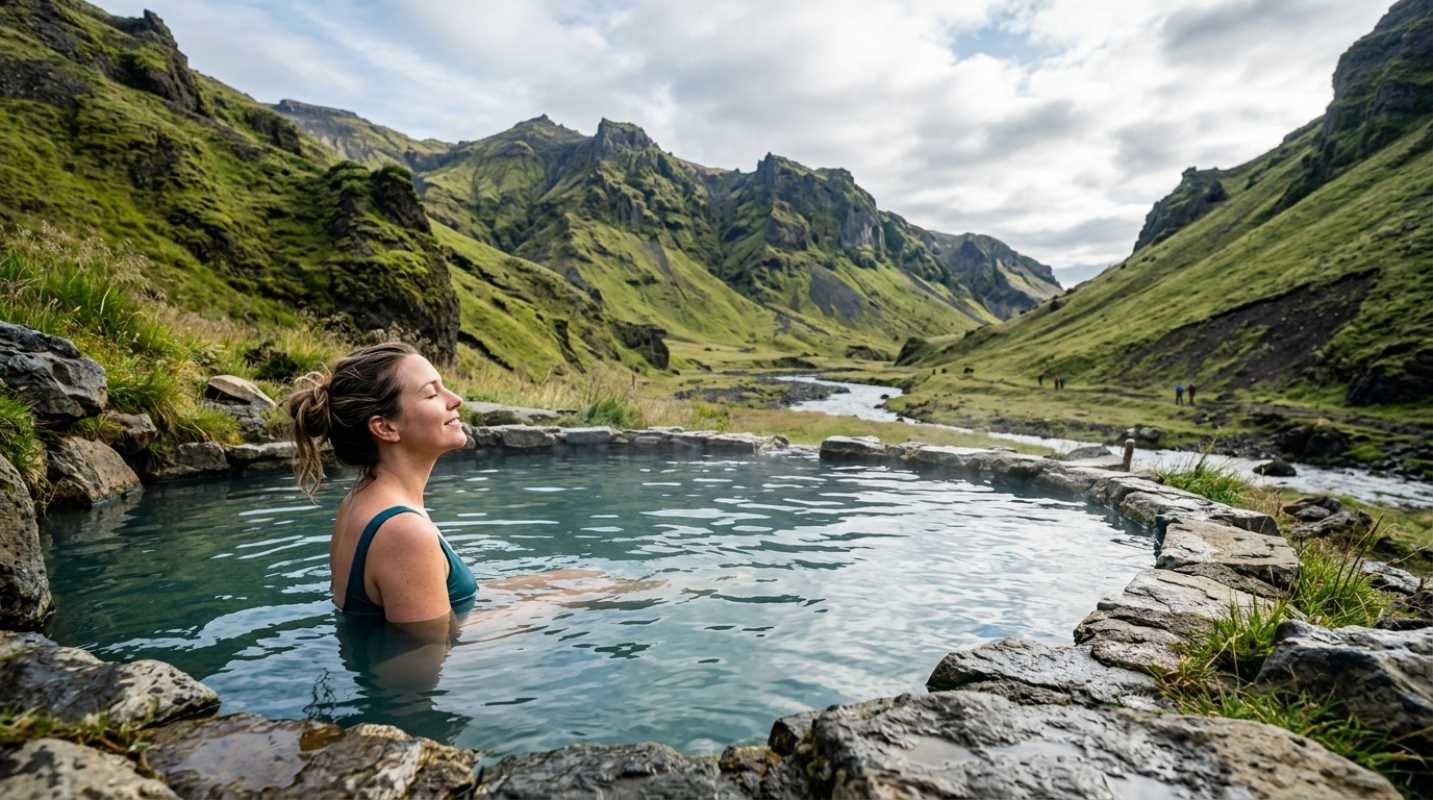
Have you ever stepped into a pool of warm geothermal water on a crisp morning and felt every ounce of tension melt away? You are not alone. Soaking in natural hot springs is one of humanity's oldest self-care rituals, and it is having a massive revival.
In a fast-paced world dominated by screen fatigue and endless notifications, slow travel has become needed. People are moving away from hectic, action-packed trips in favor of genuine physical restoration. The thermal mineral springs market has expanded into a $78 billion industry precisely because travelers want real wellness solutions.¹ Over 31,000 thermal spring destinations operate across 130 countries, showing just how universal this desire for restorative travel really is.
If you are planning your next getaway, adding a natural hot spring to your itinerary might be the best decision you make all year. From icy volcanic regions to lush tropical forests, geothermal waters offer a rare chance to unplug and recharge your mind and body.
The Science of Steam and Thermal Spa Benefits
Is soaking in natural hot springs actually good for your body, or does it just feel nice? The short answer is both. The scientific study of mineral bath therapy is called balneotherapy, and it proves that natural thermal water works far harder than standard hot tubs.²
When water rises from deep beneath the crust of the Earth, it picks up dissolved minerals that transform your soak into a functional wellness treatment. Here is what those key minerals do for your physical health
• Sulfur: Acts as a natural skin cleanser and joint pain reliever. It has antibacterial qualities that clear up skin conditions like eczema while helping reduce joint stiffness.
• Silica: Found in high concentrations in volcanic waters, silica boosts collagen creation, locks in hydration, and leaves your skin feeling remarkably smooth.
• Magnesium: Absorbs directly through your skin to relax tight muscle fibers, soothe inflammation, and lower post-workout soreness.
• Bicarbonates: Open up blood vessels to improve oxygen circulation, while trace lithium calms your central nervous system.
The benefits extend beyond mineral absorption. Buoyancy in water reduces your body weight pressure on joints by up to 90 percent. That weightlessness allows tight back and leg muscles to decompress completely.
Warm immersion also lowers systemic stress. Clinical studies show that soaking in natural geothermal pools significantly reduces cortisol levels and calms the nervous system.³ When you step out of the pool and your body temperature cools down, your brain receives a natural cue to produce melatonin, helping you drop into a deep, uninterrupted sleep.
Global Gems and Where to Experience Nature's Hot Tubs
Every geothermal region carries its own distinct personality. Volcanic pools surrounded by black sand offer dramatically different experiences than high-altitude mountain springs or jungle rivers.
Here are the top hot spring destinations around the globe that belong on your travel wishlist
• Blue Lagoon and Vök Baths (Iceland): Heated between 37°C and 40°C, the Blue Lagoon's milky waters are packed with silica and sulfur. If you prefer fewer crowds, head east to Vök Baths, where geothermal floating pools rest directly inside Lake Urriðavatn.
• Terme di Saturnia (Italy): Located in Tuscany, these ancient travertine pools cascade down a hillside at a comfortable 37.5°C. Water flows at 800 liters per second, constantly refreshing the mineral pools without artificial chemicals.
• Tabacón Thermal Resort (Costa Rica): Magma from Arenal Volcano heats a natural river that flows through a green rainforest canyon, with temperature choices ranging from 22°C to 40°C.
• Termas Geométricas (Chile): Hidden inside Villarrica National Park, slate pools connect by red wooden walkways through a canyon, letting you alternate between hot soaks and cold waterfall plunges.
• Takaragawa Onsen (Japan): Positioned alongside a rushing mountain river, this site highlights traditional Japanese onsen bathing culture, ideal for a quiet, aware mental reset.
• Pamukkale (Turkey): White calcium carbonate terraces create striking travertine pools where you can swim above ancient Roman ruins.
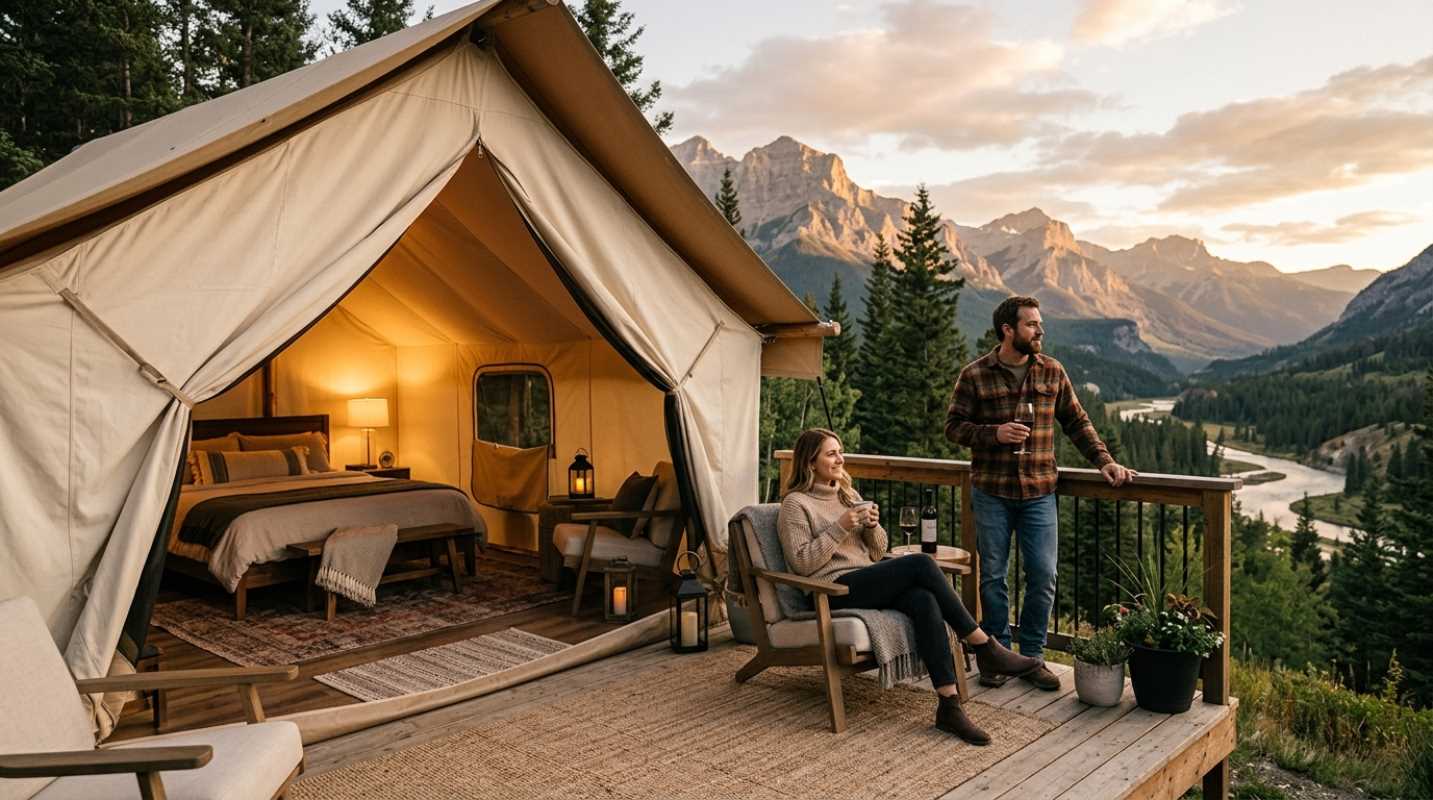
• Banff Upper Hot Springs (Canada): Sitting at over 1,500 meters of altitude, Canada's highest hot spring delivers thermal mineral waters framed by snowy Rocky Mountain peaks.
Planning a Relaxing Hot Springs Getaway
Taking a hot spring trip sounds straightforward, but a little planning goes a long way toward keeping your vacation stress-free.
First, timing is everything. Popular sites fill up quickly during peak daytime hours. Arrive early in the morning right at sunrise or late in the evening. You will enjoy quieter waters, cooler air, and better lighting for photos.
Second, respect local customs and bathing etiquette. In Japan, showering thoroughly before entering an onsen is mandatory, and towels stay completely out of the water. In European thermal baths, swimsuits might be optional or required depending on the specific facility.
Packing smart makes a noticeable difference, too. Here is what you should bring along
• Hydration: Thermal water dehydrates your system quickly. Bring a reusable water bottle and drink plenty of fluids before and after your soak.
• Waterproof Bag: Keep your dry clothes, phone, and towel safe from splashing or wet ground.
• Quick-Drying Towel: Compact microfiber towels save space in your daypack and dry quickly between visits.
• Slip-On Footwear: Wet rocks and wooden tiles can be slippery, so pack sturdy sandals or water shoes.
Try balancing your trip by pairing thermal soaks with light activities. Spend your mornings hiking local mountain trails or touring historic towns, then spend your afternoons soaking away physical fatigue.
Making Thermal Recovery a Habit
Travel is often viewed as a temporary escape, but a geothermal getaway gives you physical tools for better ongoing health. Stepping away from daily stress and slipping into thermal water re-anchors your mind and resets your body.
Whether you travel halfway across the world for silica baths or visit a local hot spring near your hometown, making time for thermal recovery is a fantastic habit to build. As you set your travel goals for 2026, put at least one geothermal destination on your calendar. Your body and your mind will thank you for it.
Sources:
1. Global Wellness Institute - Thermal Mineral Springs
https://globalwellnessinstitute.org/what-is-wellness/thermal-mineral-springs/
2. Global Wellness Institute - Balneotherapy Spotlight
https://globalwellnessinstitute.org/wellnessevidence/balneotherapy/balneotherapy-spotlight/
3. National Institutes of Health - Balneotherapy Study
https://pmc.ncbi.nlm.nih.gov/articles/PMC11108950/
*This article on vertro is for informational and educational purposes only. Readers are encouraged to consult qualified professionals and verify details with official sources before making decisions. This content does not constitute professional advice.*