Have you ever pulled into a rest stop after eight hours of highway traffic, clutching a lukewarm cup of gas station coffee, and wondered why you called this a vacation? We have all been there. Road trips sound fantastic when you are planning them on paper. You picture wide-open asphalt, pristine playlists, and sweeping vistas framed by your windshield. The reality often involves white-knuckling through construction zones, tailgating semitrucks, and arguing over who has to drive the next stretch.
That frustration is driving a massive comeback for rail travel. Travel specialists have seen forward bookings for long-distance rail trips surge by over 35 percent as people look for a better way to explore.¹ The appeal comes down to simple geometry and convenience. When you ride a train, you trade asphalt for wilderness. Railway tracks run through narrow river gorges, across mountain ridges, and over deep canyons where cars cannot go. You are not just getting from one place to another. You are seeing hidden terrain from a perspective no road can offer.
What to Expect on a Long-Distance Train Journey
If your idea of train travel is based on crowded subway cars or daily commuter lines, long-distance rail will surprise you. These trains are designed for living onboard, giving you room to move, relax, and savor the scenery.
Here is what makes the experience stand out
• Actual Legroom: Seats offer generous space to stretch out, adjust footrests, and recline without bumping into the person behind you.
• Sightseer Lounges: Panoramic observation cars feature wraparound windows and swivel chairs made specifically for space watching.
• Full Dining Services: Long-distance routes offer hot meals served on real chinaware in a dedicated dining car.
• Social Atmosphere: Passengers gather in lounge spaces to play card games, chat, and swap travel stories over drinks.
Packing for a long train trip requires a slight mindset shift. Sleeper cabins and seating areas have limited floor space, so stick to a basic two-bag system. Keep a small duffel at your seat with your toiletries, cozy clothes, and chargers, then let the onboard team store your heavy luggage in the baggage car. Bring a power bank too, since older train cars may have limited electrical outlets in public spaces.
Global Icons That Defy Comparison
Some train routes cross terrain so extreme that building the tracks required astonishing engineering. These lines show off spaces that automobile drivers never get to see.
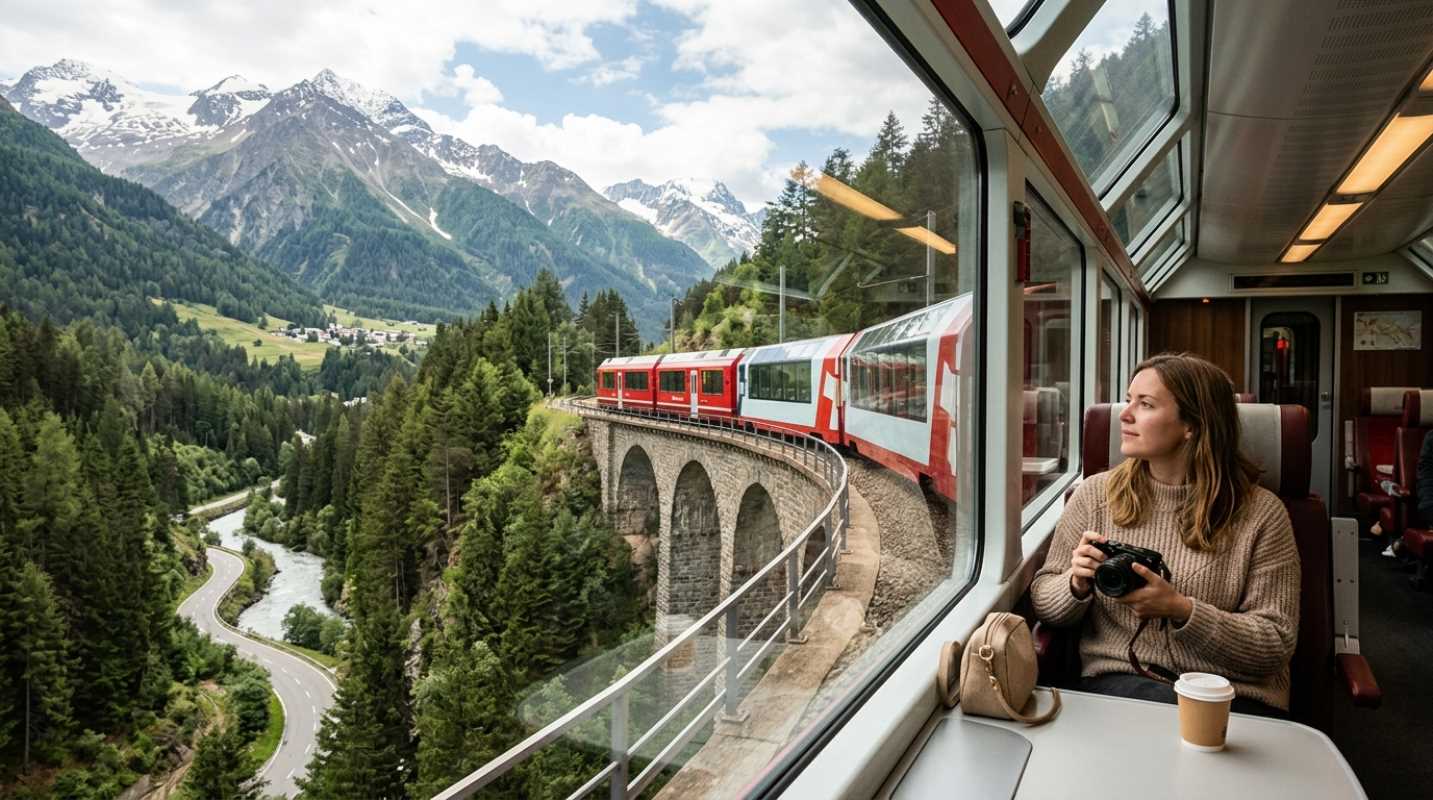
Switzerland's Glacier Express is a prime example. Dubbed the slowest express train in the world, this seven-and-a-half-hour trip connects Zermatt to St. Moritz. It crosses 291 bridges, plunges through 91 tunnels, and climbs over 6,600 feet at the Oberalp Pass.² Floor-to-ceiling glass windows show off sheer alpine rock faces and frozen valleys that no highway can match.
In the United States, Amtrak's California Zephyr offers a classic cross-country experience.³ Over 2,400 miles between Chicago and San Francisco, the train follows the upper Colorado River, cuts through Glenwood Canyon, and rolls over the Sierra Nevada mountains. Highway drivers only get glimpses of concrete barrier walls, but train passengers look straight down into untouched wilderness rivers.
Down under, The Ghan cuts through the red heart of Australia. Running nearly 3,000 kilometers from Adelaide to Darwin, it passes fiery sand dunes, remote Outback stations, and tropical gorges. Off-train excursions take you into deep canyons like Nitmiluk Gorge, letting you explore on foot before heading back to your onboard cabin.
Planning Your Rail Trip Itinerary
Setting up your first major rail trip is straightforward once you know how the booking systems work.
Consider these core approaches while building your itinerary
• Booking Windows: Public railways like Amtrak, Swiss SBB, or Italian Trenitalia open seat sales 60 to 120 days early. Luxury trains sell out quickly due to limited cabin counts, so book those 6 to 12 months in advance.
• Passes Versus Single Tickets: Purchase a multi-country rail pass if your schedule is fluid and you plan to hop off at multiple towns. Buy point-to-point tickets directly from rail operators if your dates are fixed and you want lower rates.
• Cabin Upgrades: Select sightseer seats for daytime trips. For overnight legs, upgrade to a roomette or bedroom so you can sleep flat and wake up with included hot meals.
• Connection Buffers: Give yourself at least a three-hour window or plan an overnight stay when connecting between different long-distance lines. Freight train priorities can cause occasional timing delays on public tracks.
The Future of Slow Travel
Choosing rail over cars or regional flights is also one of the easiest ways to lighten your carbon footprint. Riding national rail cuts your journey's carbon emissions by 73 to 90 percent compared to driving solo in a gas car or taking a short domestic flight. You get to see the country without contributing to heavy highway emissions.
Beyond the environmental perks, rail travel changes your relationship with time. Road trips force you to concentrate constantly on speed limits, navigation, and fuel gauges. Rail travel hands those responsibilities over to someone else, leaving you free to write, read, or simply watch the countryside roll by. If you want a trip where the journey matches the destination, grab a ticket and take to the rails.
Sources:
1. Railbookers Group
https://www.railbookersgroup.com/articles/global-wellness-summit-the-future-of-wellness-rail
2. Train Tracking
https://trainstracking.com/blog/best-scenic-train-routes-world
3. Amtrak Guide
https://amtrakguide.com/routes/california-zephyr/