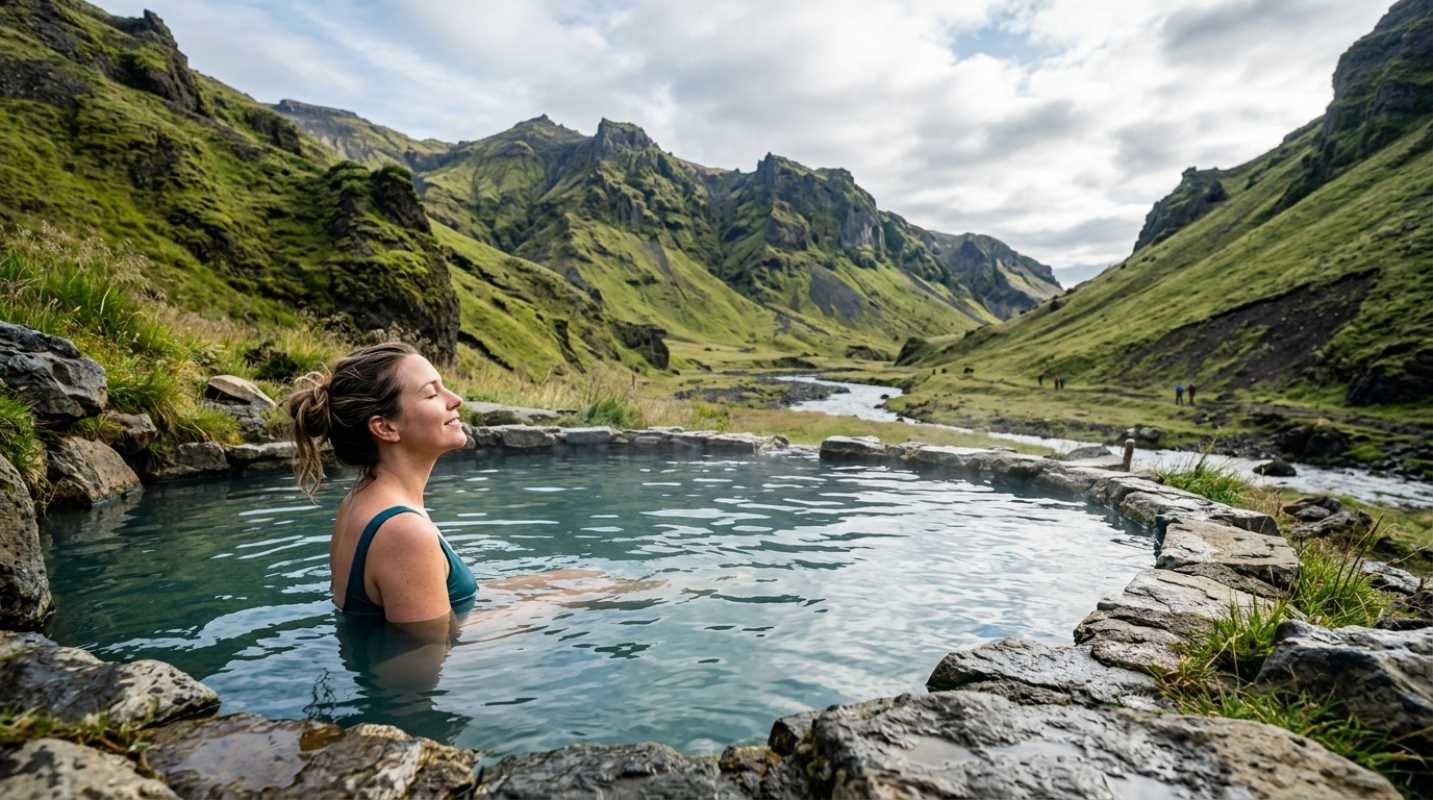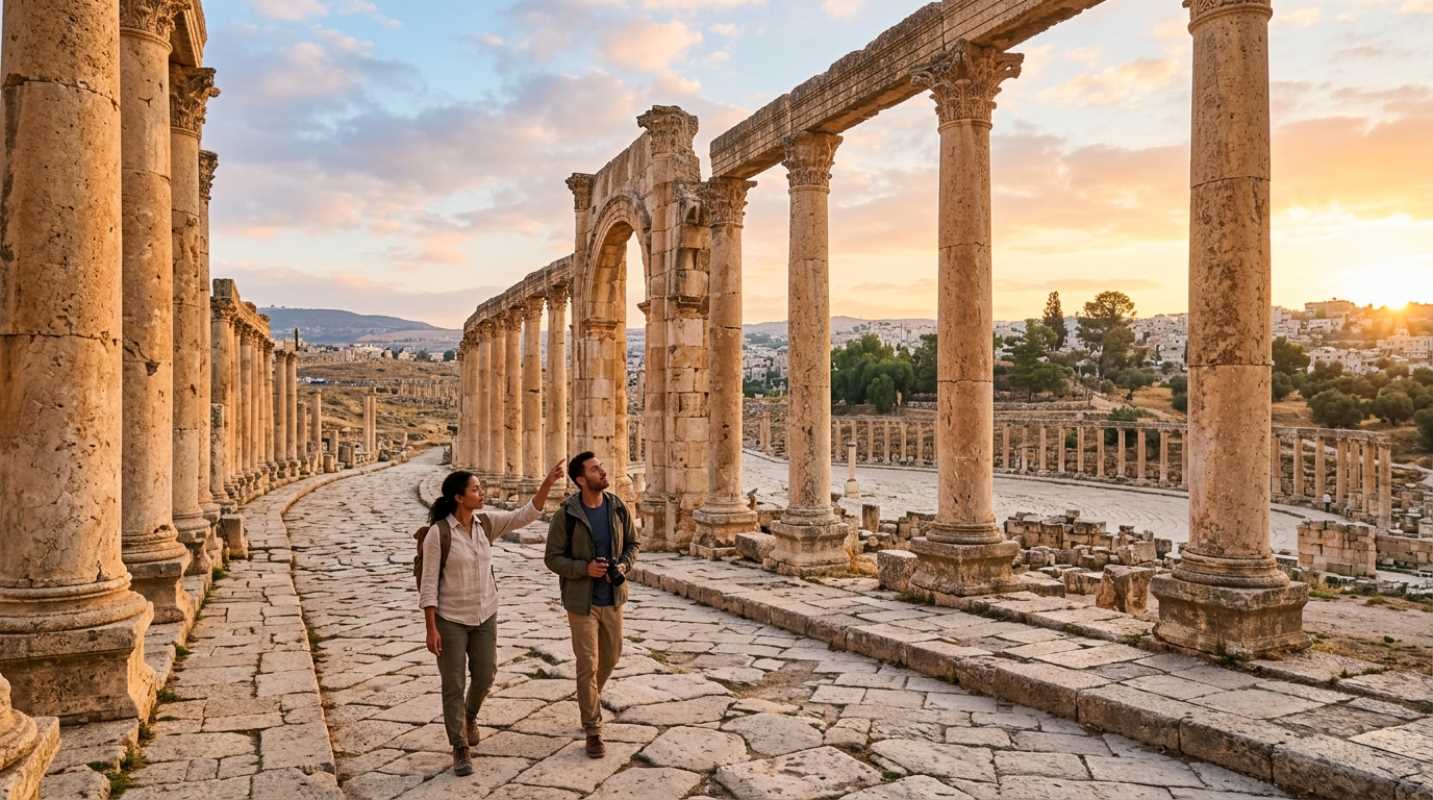
Have you ever stood on a path paved with worn volcanic stone and realized that someone walked those exact same steps thousands of years ago? It gives you a strange, exciting feeling. History isn't trapped inside dusty books or behind museum glass cases. It's right under your feet.
When you step into an ancient stone theater or look up at a temple carved out of a red cliffside, something shifts in your mind. You realize the people who built these places were not just characters in a textbook. They complained about hot weather, haggled over market prices, and worried about their kids.
Visiting must-see ancient ruins and archaeological sites is far more than an item to check off your vacation wishlist. It's an active way to connect with human memory. To get the most out of it, you have to look past the photo opportunities and tune into the stories quieted by time.
Unlocking the Stories Behind Famous Ancient Sites
To really appreciate an ancient ruin, you need to understand how the physical walls connected to daily life. Seeing how these places operate today also helps you plan better, especially since popular landmarks now manage crowds differently.
The Grand Egyptian Museum and the surrounding Giza Plateau offer a great example of this connection. Located just over a mile from the Pyramids of Giza, this massive complex spans 129 acres. It houses over 100,000 artifacts across 12 primary halls, including King Tutankhamun's complete 5,000-piece tomb collection displayed together for the first time since its discovery.¹ To protect the site and keep lines moving, management uses timed-entry tickets capped at up to 20,000 daily visitors.
Over in Italy, Pompeii Archaeological Park lets you step straight into 79 CE. When Mount Vesuvius erupted, ash preserved everything from marble statues to snack shops. To preserve the soft floor tiles and painted walls, authorities enforce a daily visitor limit of 20,000 people.² During peak travel months, entry splits into morning and afternoon slots with personalized tickets tied to your name.
High up in Peru, Machu Picchu perches nearly 8,000 feet above sea level in the Andes. Walking through the granite citadel, you quickly realize Inca engineers were master architects who built massive stone walls that locked together without mortar to withstand earthquakes. Today, access stays capped at 5,600 daily visitors during peak season across specific fixed circuits.³ Group sizes inside are kept to ten people per guide to stop bottlenecks along narrow footpaths.
In southeastern Türkiye, Göbekli Tepe changes what we know about human origin stories. Built around 9,600 BCE, this complex of carved T-shaped megaliths is over 11,500 years old. It predates agriculture, pottery, and written language. Newer wooden walkways now let you look directly into active excavation pits without disturbing the fragile earth underneath.
Understanding this background changes your trip entirely. If you arrive without context, a stone block is just a rock. But when you know why it was sculpted, that stone turns into a window into an ancient mind.
Needed Tips for Visiting Historical Landmarks
Exploring ancient stone ruins takes a bit of approach. You want to protect these fragile sites while making sure you actually enjoy your time there without overheating or getting stuck in crowds.
Here are practical guidelines to keep in mind for your next trip
• Timing: Book the first entry slot of the morning or the last one in the late afternoon. You will skip the midday heat and avoid the massive tour buses that arrive around lunch.
• Local Guides: Hire a certified local guide at the gate or through your tour operator. A sign post gives you basic facts, but a good guide gives you context and shares local stories you won't find online.
• Soft Footwear: Wear flat, soft-soled rubber walking shoes. Hard boots and high heels apply concentrated pressure per square inch, cracking ancient pavements and mortar.
• Gear Restrictions: Keep your daypack small. Sites like Machu Picchu ban bags larger than 40 x 35 x 20 centimeters to avoid accidental scrapes along tight corridor walls.
• No-Touch Rules: Keep your hands to yourself. Natural oils, moisture, and mild acids from human skin break down ancient pigments, plaster, and carved limestone over time.
• Stay on Pathways: Stick strictly to built elevated boardwalks and dirt trails. Walking off-path causes soil erosion and can crush unexcavated artifacts hiding just beneath the surface.
Digital Preservation and the Future of Archaeology
How are archaeologists and historians protecting these delicate structures for the long run? Technology is stepping in to help solve the problem.
3D laser scanning, LIDAR mapping, and virtual reality are changing how experts document historical sites. Researchers can now scan dense jungle floors or underground chambers, creating digital copies of ruins down to the millimeter. This means unexcavated sites can be studied without driving a single shovel into the earth.
For travelers, virtual reality offers a way to see places that are too fragile for heavy foot traffic. You can put on a headset and see what a Roman villa looked like in its prime, complete with original painted frescoes and bright marble columns.
This mix of digital tech and smart tourism management keeps human impact low. When sites set visitor quotas and use digital reservation systems, they protect ancient stone from grinding down into dust. Using elevated wooden walkways and protective canopies keeps fragile sites safe while still allowing you to appreciate their scale.
Sustainable travel is the key to keeping these places intact. By following site rules and picking eco-friendly tour operators, you help make sure these ancient wonders survive for another thousand years.
Become a Time Traveler
Documentaries and history books are a great starting point, but nothing compares to seeing history with your own eyes. Standing in the shadow of a 4,000-year-old pyramid or walking through a carved desert canyon changes how you view human history.
When you look closely at ancient stonework, you start noticing the tiny details left behind. You see tool marks, carved initials, and smooth steps worn down by millions of feet. It reminds you of the grit, creativity, and determination of people who lived long before modern machinery existed.
So start planning your next historical trip. Pick a landmark that fascinates you, read up on its past, lace up a pair of comfortable walking shoes, and step right onto the paths of history.
Sources:
1. CBS News
https://www.cbsnews.com/news/grand-egyptian-museum-opening/
2. World Tours Italy
https://www.worldtoursitaly.com/blog/what-you-need-to-know-about-the-2025-visitor-regulations-at-pompeii/
3. TRexperience Peru
https://trexperienceperu.com/blog/machu-picchu-rules