Have you ever stood somewhere so quiet that you could actually hear your own heartbeat? That kind of absolute silence is hard to find in our hyper-connected world. Most people think of arid regions as empty, lifeless stretches of dirt. You might picture endless dust and scorching heat, but that perspective misses the real magic.
These environments are actually rich with life and sculpted into surreal shapes by wind and time. From glowing crimson dunes to blinding white salt basins, these dramatic terrains look more like distant moons than part of our home planet. Stepping into one changes your relationship with space and time.
If you want a getaway that forces you to unplug and reset, heading toward the sand is one of the best choices you can make. Let's look at some of the most extraordinary arid destinations across the globe and how you can experience them firsthand.
Wonders of the Red Planet in Wadi Rum
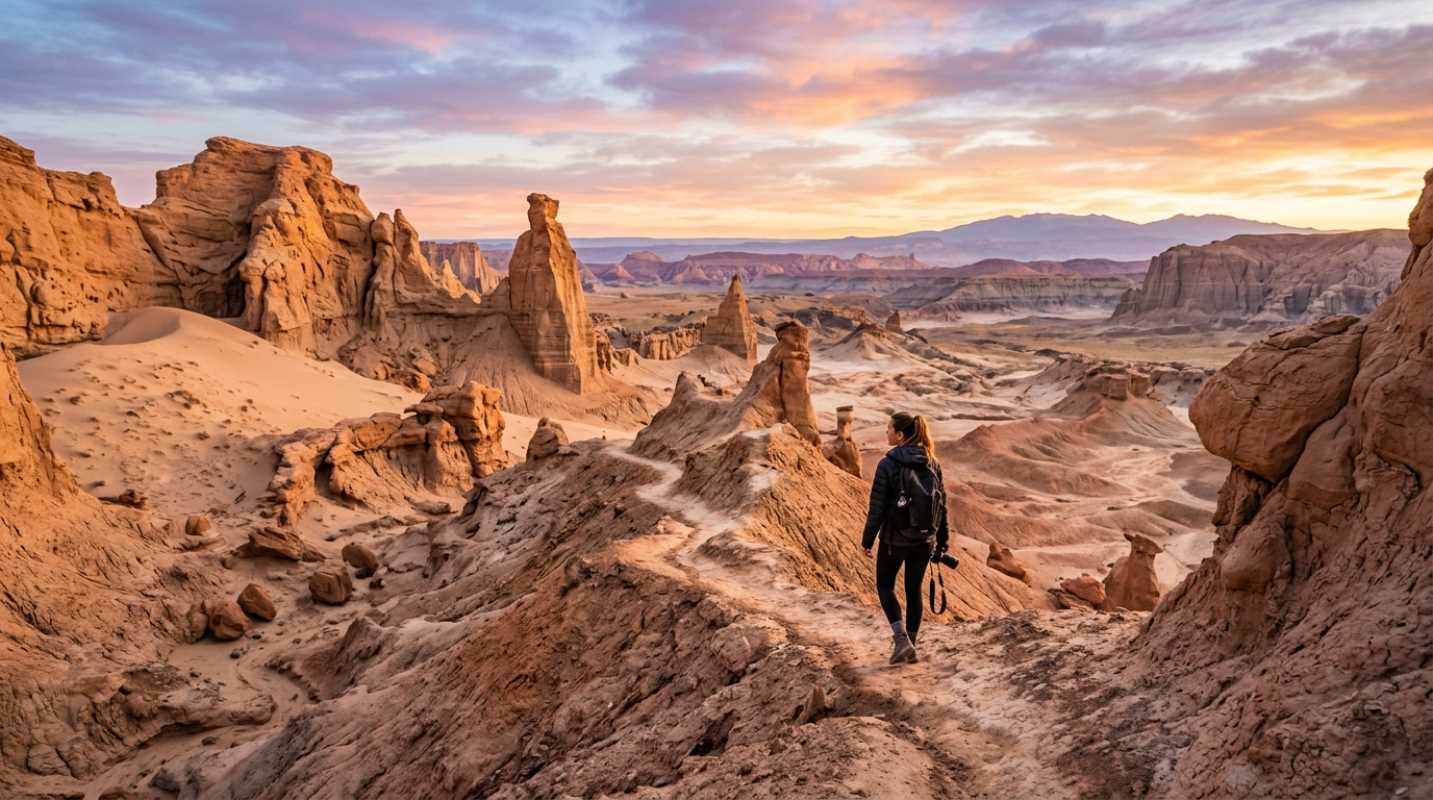
If you have ever wanted to walk on Mars without leaving Earth, Wadi Rum in southern Jordan gets you as close as possible. Massive red sandstone monoliths shoot straight out of crimson dunes, creating a view that feels completely alien. It's no surprise Hollywood directors use this valley whenever they need a backdrop for another planet.
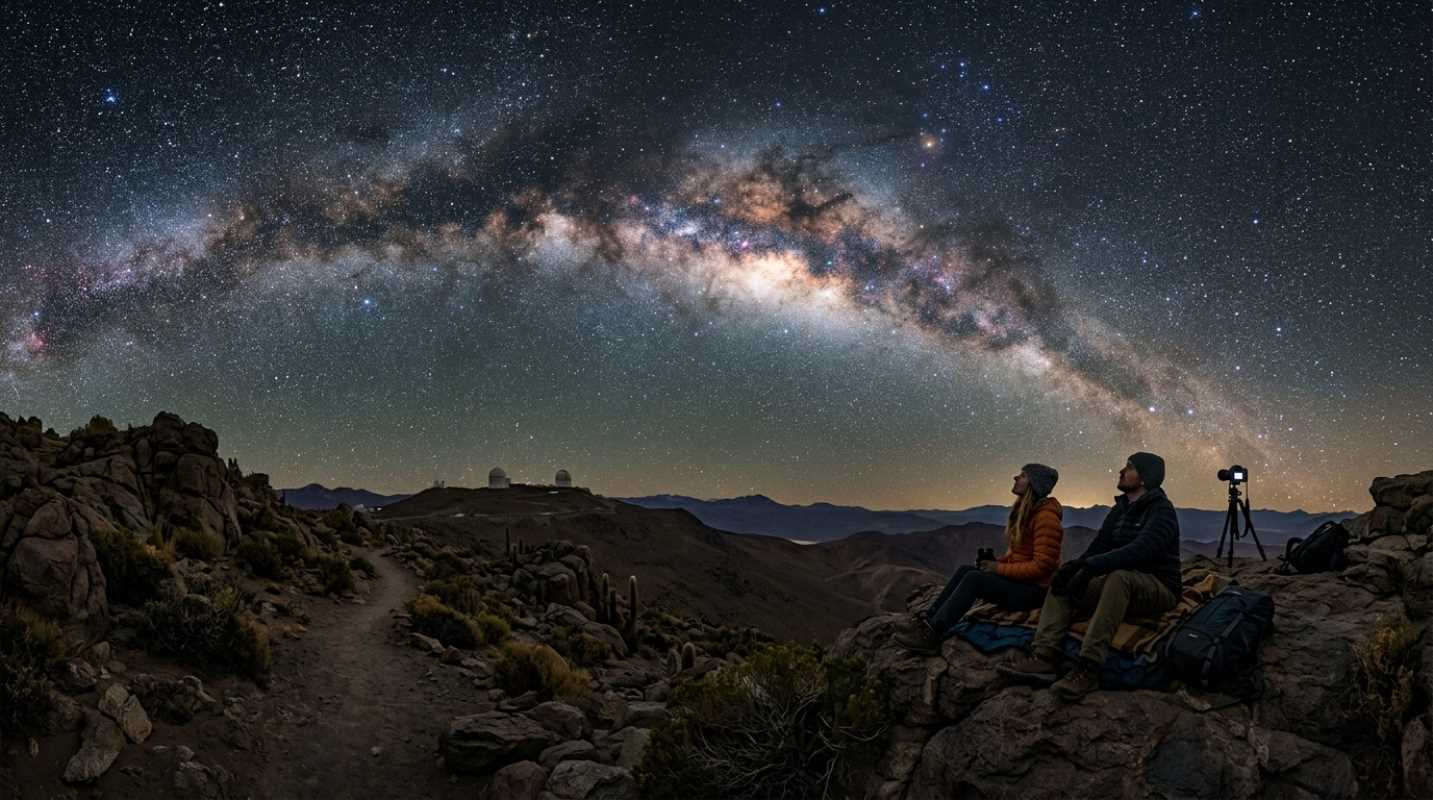
You don't just look at this terrain, you live it. You can jump into a 4x4 truck driven by a local Bedouin guide who knows every canyon and secret rock arch. As day turns to night, the afternoon heat vanishes, opening up a clear sky full of stars.
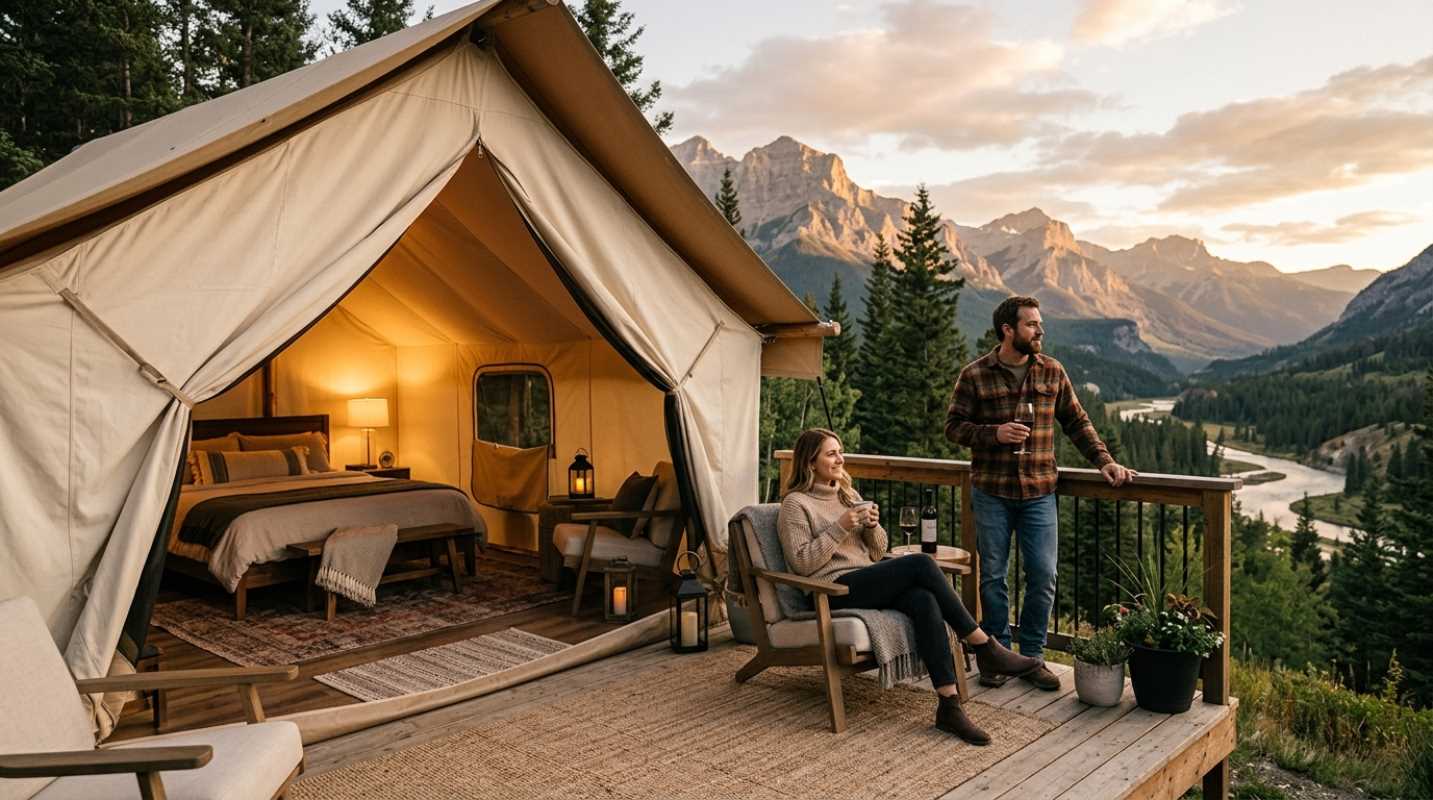
• Bedouin Glamping: Stay in traditional goat-hair tents or luxury clear-roof domes that let you watch stars right from your bed.
• Night 4x4 Tours: Head deep into dark canyons for guided night photography far from city lights.
• Desert Hiking: Trek through narrow gorges like Khazali Canyon to see ancient petroglyphs carved into stone faces thousands of years ago.
Timing is everything when you plan a trip to the Middle East. If you show up in July, you'll face unbearable heat topping 45 degrees Celsius. Instead, book your flight between October and April. Daytime temperatures drop to a comfortable range between 18 and 25 degrees Celsius, giving you perfect weather to explore during the day and sit around a campfire at night.
Salt Flats and Surrealism in Salar de Uyuni
High up in the Bolivian Andes sits a place that completely breaks your brain's perception of distance. Salar de Uyuni spans over 10,000 square kilometers at an altitude of 3,656 meters above sea level. During the dry season, it looks like a vast field of cracked, hexagonal salt crusts extending to the horizon.
When the rains fall between December and April, something unbelievable happens. A thin sheet of calm water collects over the hard salt floor, turning the entire plain into the world's largest natural mirror. The sky reflects perfectly beneath your feet, making you feel like you're walking through the clouds.
Getting around this high-altitude environment requires proper planning. Because you're high in the mountains, the air is thin and dry. Altitude sickness can hit hard if you rush in, so spend a couple of days acclimatizing in nearby towns before setting out across the salt.
• Perspective Photography: Use the flat horizon during the dry season to create fun photos playing with depth perception.
• Mirror Season Drives: Visit between January and March to catch the mirror effect, but hire an experienced driver who knows how to handle submerged tracks safely.
• Mineral Lagoons: Drive south into the nearby Siloli region to view blood-red lakes filled with thousands of wild flamingos.
Ancient Sands and Coastal Beauty in the Namib Desert
The Namib Desert in Namibia holds the title of the oldest arid expanse on Earth, with age estimates ranging from 55 to 80 million years. Located along the Atlantic coast, it delivers some of the most dramatic contrasts anywhere on the globe. Towering rust-red dunes meet freezing ocean waves in a breathtaking display of nature.
Inside the Namib-Naukluft National Park, you'll find Sossusvlei, home to some of the highest sand dunes in the world. Dune 45 and Big Daddy rise hundreds of meters into the air, painted deep shades of orange and red from millions of years of iron oxidation. Right at the base of Big Daddy lies Deadvlei, a stark white clay pan filled with 900-year-old camelthorn tree skeletons. The aridity is so intense here that the dead trees never rotted. They simply sun-scorched into dark silhouettes against the bright white floor and red dunes.
Visiting this remote part of Southern Africa takes real preparation. Distances between fuel stations are long, and cell service vanishes quickly. Always rent a sturdy 4x4 vehicle, carry extra drinking water, and double-check your tire pressure daily. To hike dunes like Big Daddy without burning out, hit the trails at sunrise when the air is cool and morning shadows cut sharp lines across the sand.
Otherworldly Arid Wonders to Put on Your Radar
Although Jordan, Bolivia, and Namibia top many travel lists, other lesser-known spots offer equally shocking views.
• Badain Jaran Desert (China): Tucked inside Inner Mongolia, this area features massive megadunes and over 100 spring-fed lakes. Bilutu Peak stands over 460 meters tall, making it the highest stationary sand dune on Earth.¹
• Lençóis Maranhenses (Brazil): Strong winds push white sand into basins that fill with crystal-clear freshwater lagoons during the rainy season, covering 155,000 hectares along the Atlantic coast.²
• White Desert National Park (Egypt): Wind erosion has shaped chalk formations into white mushroom rocks and surreal sculptures that glow under moonlight.³
Planning Your Expedition - Timing and Practicalities
Navigating harsh environments requires respect and clear preparation. You can't just pack a suitcase and wing it when heading into remote areas.
Seasonal timing is your first line of defense. Traveling to hyper-arid places during peak summer months is plain dangerous. For places like the Sahara, Middle East, or the American Southwest, aim for late autumn through early spring. If you're aiming for Brazil's lagoon-filled dunes, visit between June and September right after the seasonal rains peak.
Packing smart makes all the difference
• Sun Protection: High-SPF sunscreen, wide-brimmed hats, and lightweight UV-blocking long sleeves are needed.
• Layered Clothing: Temperatures plummet the moment the sun drops. Pack thermal base layers and fleece coats alongside your sun gear.
• Hydration Tools: Carry extra water containers and oral rehydration salts to combat low atmospheric humidity.
Finally, keep sustainability in mind. Arid environments are surprisingly fragile. The delicate biological crusts that hold dry soils together take decades to recover if stepped on or driven over. Stick to marked tracks, hire local guides, and leave zero trash behind.
Embracing the Void
Stepping into these vast open spaces forces you out of your everyday routine. When all the noise, traffic, and phone notifications strip away, you're left with simple elements: wind, sand, sky, and sun.
That kind of solitude doesn't just show you unbelievable sights. It refreshes your perspective in ways a standard beach vacation never could. So pack your bags, double-check your water supply, and head out to see these remarkable corners of our world for yourself.
Sources:
1. CGTN - The lakes and dunes of the UNESCO-listed Badain Jaran Desert
https://news.cgtn.com/news/2024-09-24/The-lakes-and-dunes-of-the-UNESCO-listed-Badain-Jaran-Desert-1x9UYRcoczS/index.html
2. NASA Earth Observatory - The Paradox of Lençóis Maranhenses National Park
https://science.nasa.gov/earth/earth-observatory/the-paradox-of-lencois-maranhenses-national-park/
3. Holiday Tours - Egypt Desert Adventures
https://holidaytours.one/egypt-desert-adventures/